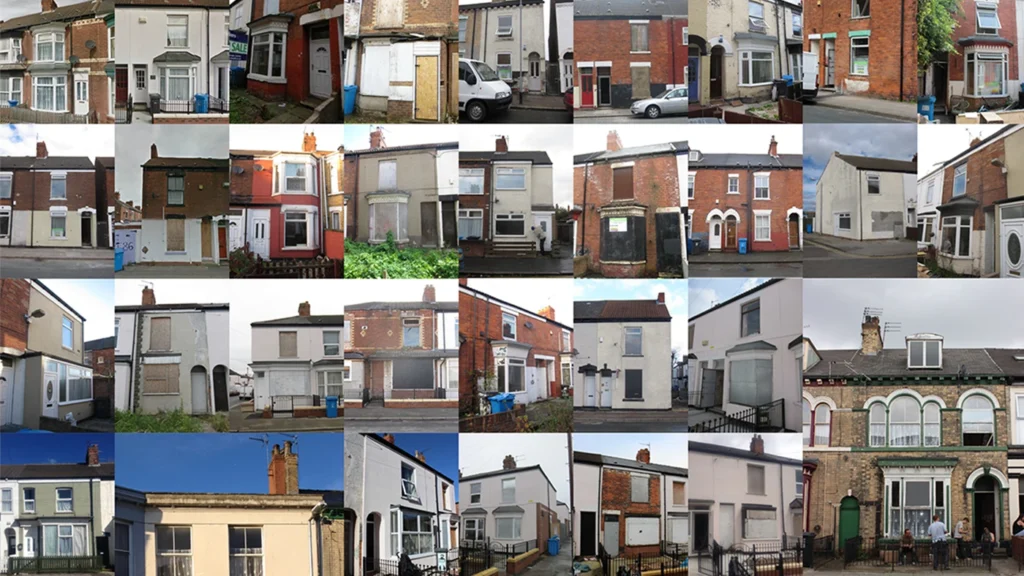
As part of our 40th anniversary celebrations, we're exploring the big ideas, partnerships and policies that helped transform neighbourhoods with empty homes into thriving communities.
For the next in the Giroscope 40: Our Origin Story series, we’re inviting two of the most influential figures in the history of community-led housing to reflect on a remarkable chapter in that story.
On 3 July, Jon Fitzmaurice OBE and Professor David Mullins will join Giroscope CEO Martin Newman to discuss how a grassroots housing movement helped secure one of the most innovative housing programmes of recent decades: the Empty Homes Community Grants Programme.
This is a story about how local organisations, community activists, researchers and policymakers worked together to create a new approach to housing regeneration, one that placed trust in neighbourhood organisations and delivered lasting social impact.
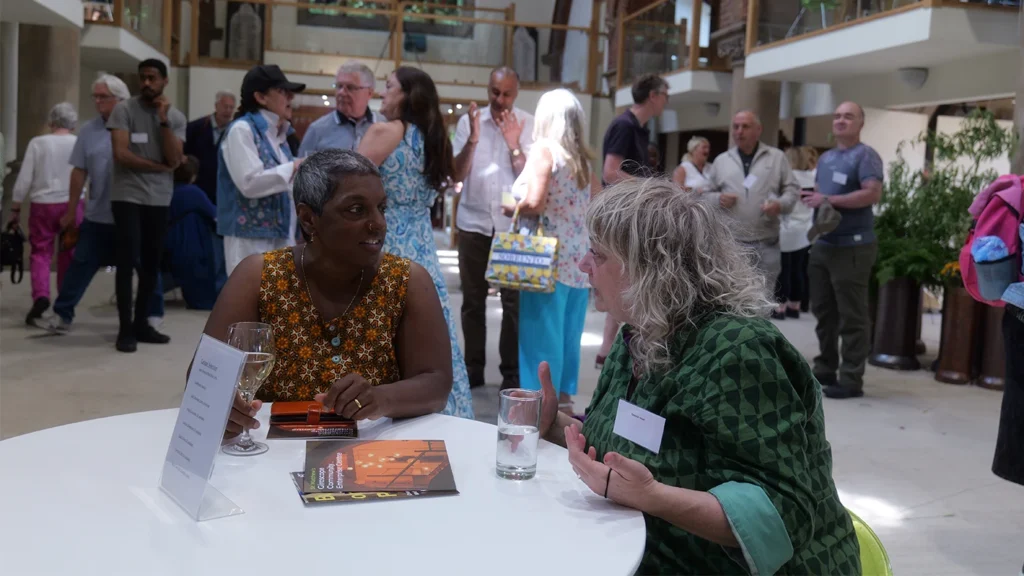
This discussion is timely, in the run-up to Giroscope’s ‘From Homes to Communities’ reception, hosted by Lord Richard Best in the House of Lords this September. At this Westminster event, politicians, policymakers and housing leaders will come together to explore the future of affordable housing, neighbourhood revitalisation and community-led regeneration.
Our Origin Story II – meet the speakers
Jon Fitzmaurice OBE
Jon Fitzmaurice has spent more than five decades pioneering community-led approaches to housing and neighbourhood renewal. Beginning with Shape Housing in Birmingham in the 1970s, he helped create projects that brought empty homes back into use while providing training and opportunities for unemployed young people. As founder of self-help-housing.org, Jon built a national network of community organisations and played a pivotal role in securing the £50 million Empty Homes Community Grants Programme. His work has shown how local communities can locally transform empty properties into lasting social assets, strengthening neighbourhoods and creating practical routes into work for local people.
Professor David Mullins
Professor David Mullins has spent his career researching housing policy, the changing role of housing associations and the growth of community-led housing. As Professor of Housing Policy at the University of Birmingham and housing lead in the Third Sector Research Centre, he helped shape national debates on housing associations, community regeneration and social enterprise. Working closely with self-help housing organisations across England, David built the evidence base that supported the £50 million Empty Homes Community Grants Programme. His research has demonstrated the social, economic and community benefits of locally controlled housing initiatives, particularly when compared with large-scale national procurement models.
From empty buildings to a national movement
The roots of self-help housing stretch back decades.
For Jon, the journey began in Birmingham during the 1970s, working with Shape Housing, where unemployed young people renovated empty homes while gaining accommodation, training and work experience.
David came to similar ideas from a different direction. After postgraduate study, his first professional role was with Hackney Council in the early 1980s. There he worked alongside local short-life users, or formalised squatter groups, supporting residents making temporary use of council-owned properties awaiting demolition or improvement. The experience showed how empty buildings could become homes and how local people, when given the opportunity, could make better use of public assets than many policymakers imagined.
David later worked in housing policy and research roles with both Hackney and Camden before moving into academia. Yet the lessons from those early years in London remained central to his thinking. As housing associations grew larger and increasingly distant from the communities they served, he became interested in models that could retain local ownership and accountability.
When he met Jon in the late 2000s, he recognised that self-help housing offered exactly that possibility.
David describes one of the movement’s defining strengths:
Rather than scaling up, we were scaling out.
Professor David Mullins
Instead of creating larger and more centralised organisations, the aim was to help more communities develop their own local solutions while retaining local ownership and control.
That simple idea would prove remarkably powerful.
The programme that changed everything
A pivotal moment came in 2010.
Through research, advocacy and relationship-building, a growing network of self-help housing organisations was established, and the case for direct investment in community-led housing was in motion.
David credits Jon Fitzmaurice with the successful network-building at this time.
As he puts it:
“The simple answer is: one man and a website. Jon was a formidable networker and lobbyist, bringing together over 50 local groups initially, growing to 110 during the programme”.
A small movement had become a national network capable of demonstrating both demand and impact.
What followed was extraordinary.
The UK Government agreed to allocate £50 million through the Empty Homes Community Grants Programme, providing accessible capital funding for community organisations that had previously struggled to access housing investment.
For the first time, groups could purchase properties, build long-term assets and generate rental income that could be reinvested into future projects.
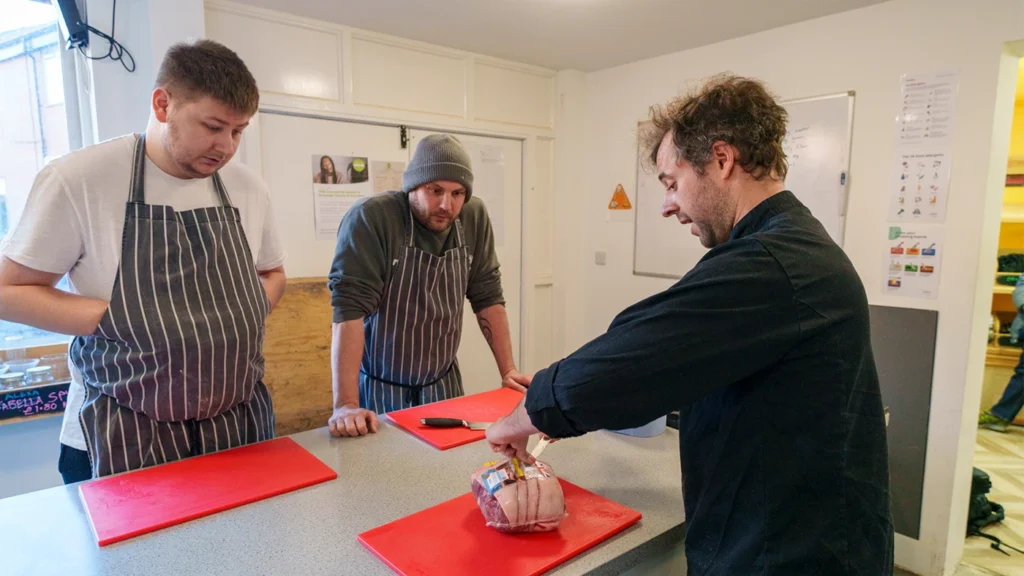
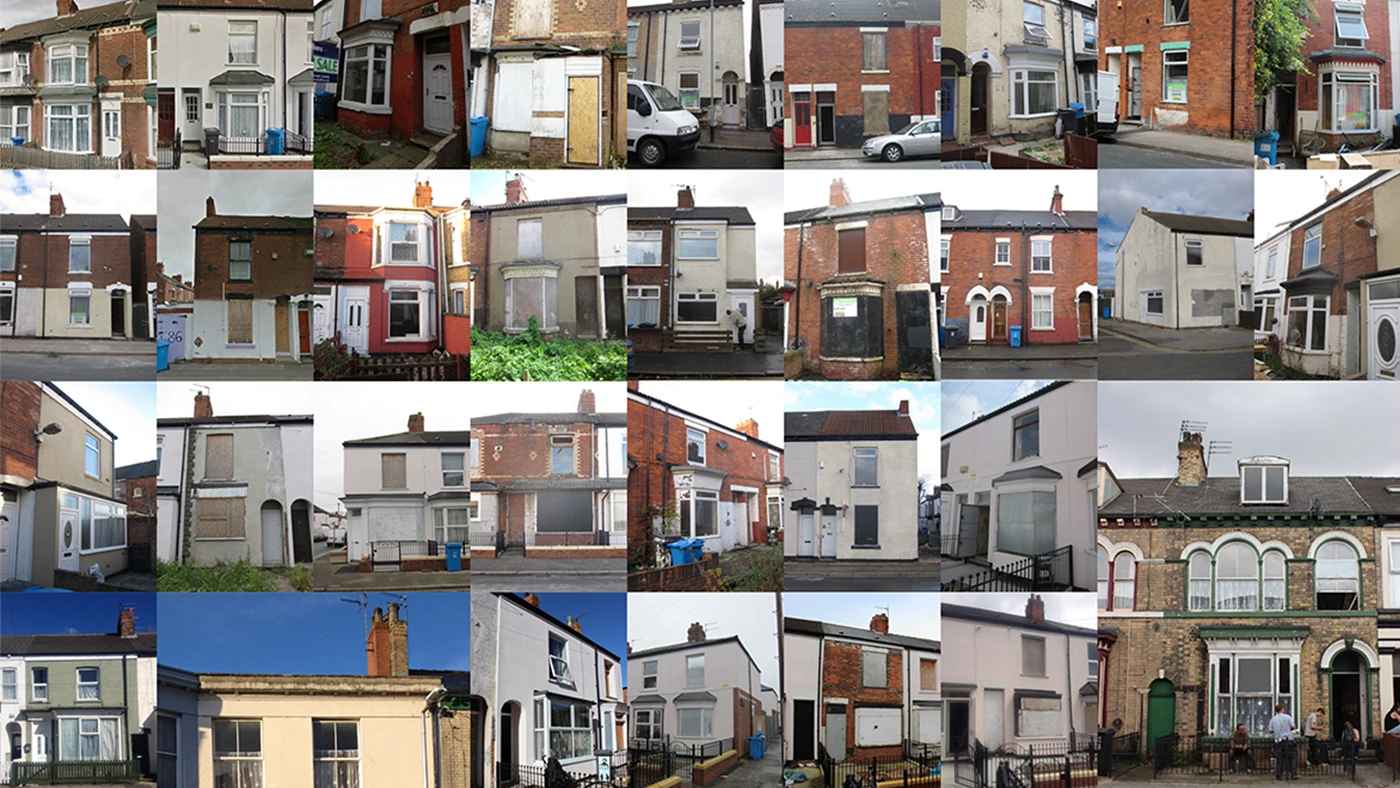
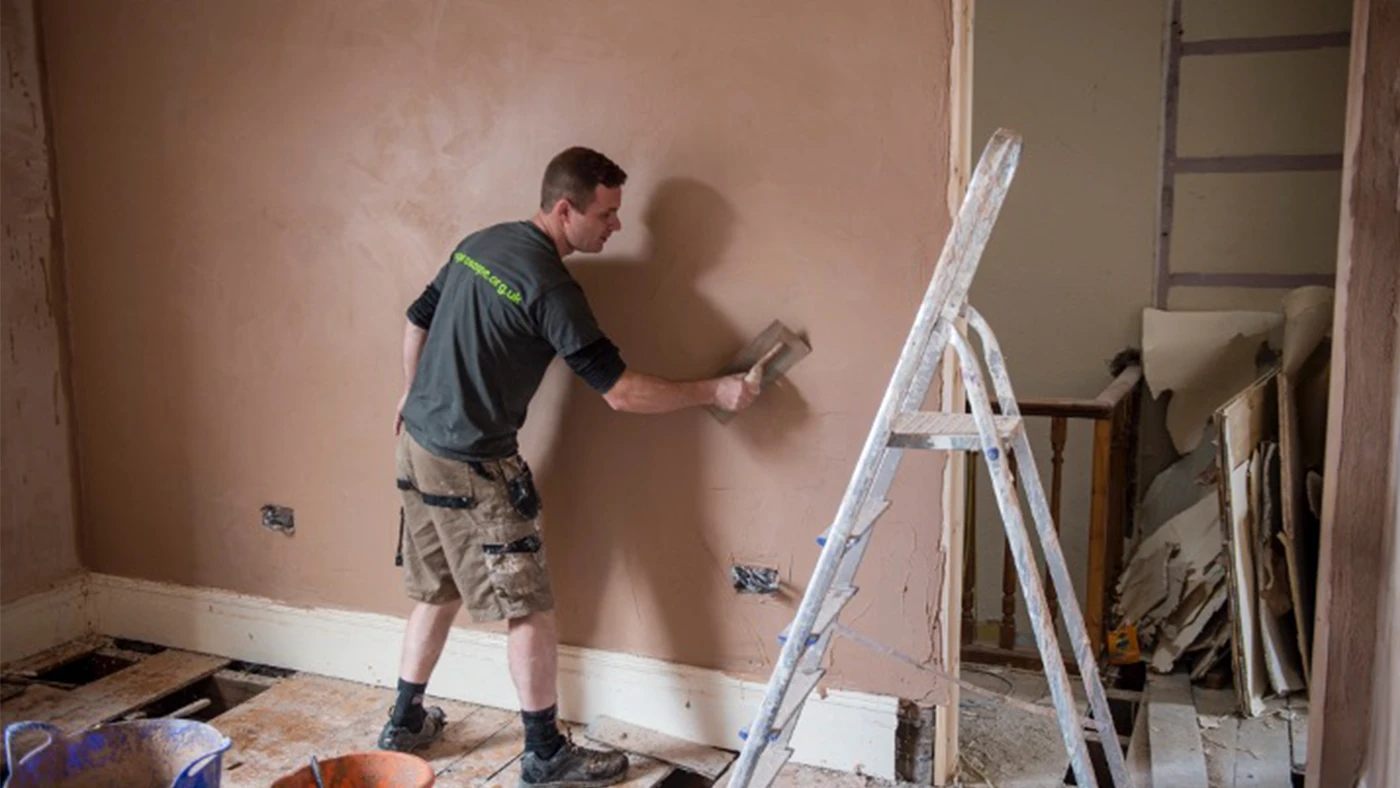
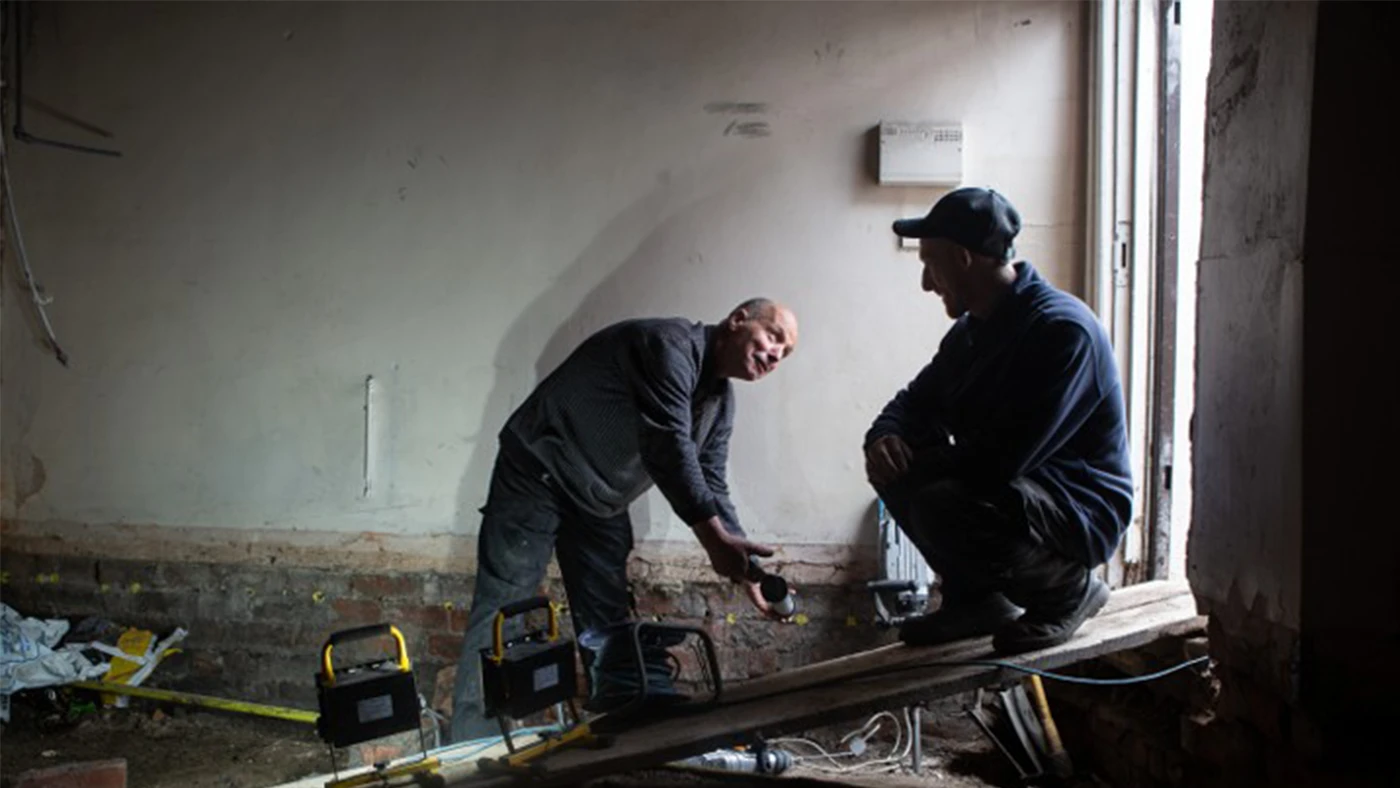
For organisations such as Giroscope, the programme was transformational, helping secure properties, create affordable homes and establish the foundations for future growth. Giroscope received £1m from the programme and brought 48 empty dwellings into use, including 38 houses and 10 flats, housing over 100 people. The renovations involved 130 volunteers and employed six apprentices.
More than housing
The programme’s achievements were impressive in housing terms alone.
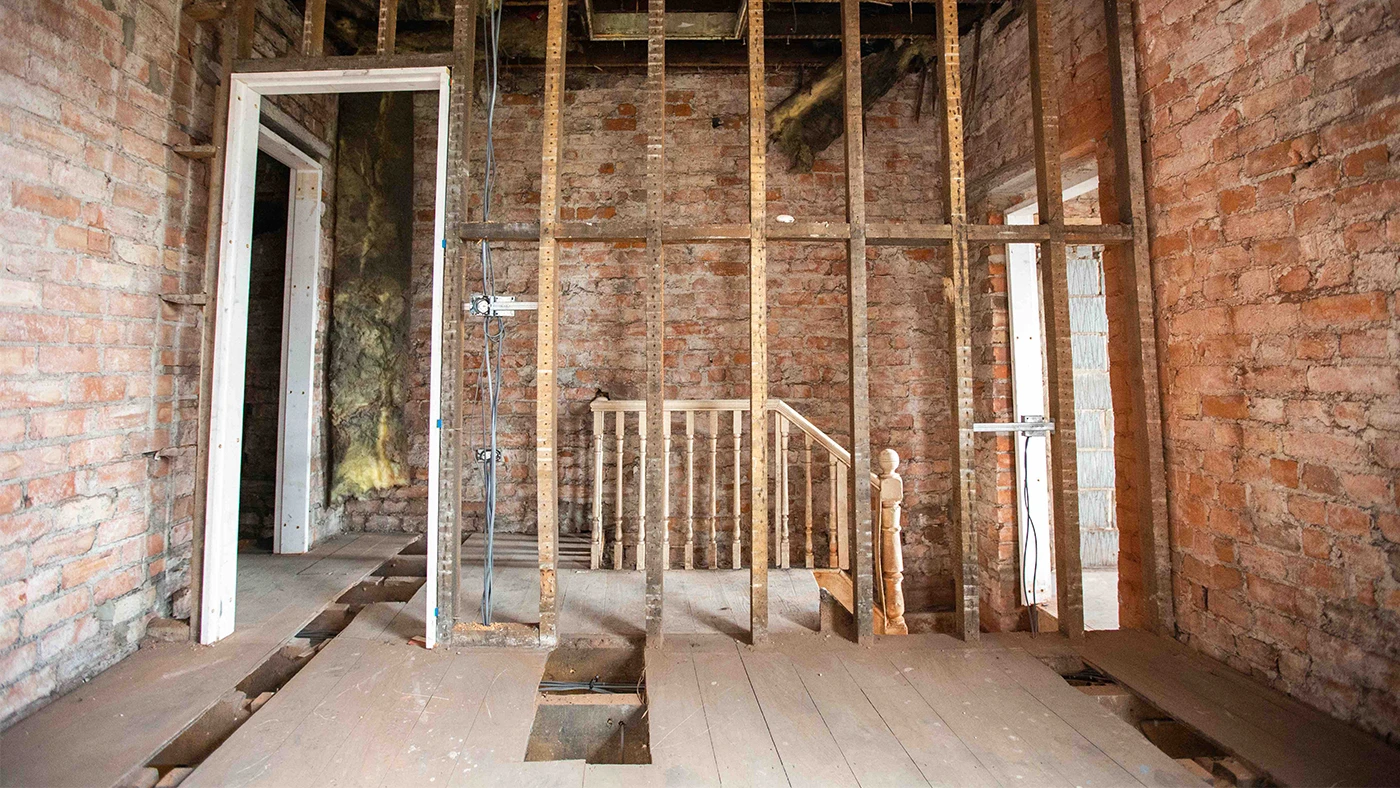
Across England, 1,299 empty homes were brought back into use, creating more than 3,000 bedrooms for people in housing need.
But the numbers tell only part of the story.
The programme demonstrated that community-led housing could deliver much more than homes. It created employment opportunities, apprenticeships, training placements and volunteering pathways. It helped tackle antisocial behaviour, restore confidence in neglected neighbourhoods and strengthen local communities.
Community organisations succeeded because they understood their neighbourhoods.
They knew which buildings had stood empty for years. They understood local needs.
They were accountable to local people.
One study found that every £1 invested generated between £4.28 and £5.75 in social value.
As David’s research showed, community-led housing delivered multiple benefits simultaneously because it was rooted in local knowledge and local participation.
This wasn’t simply housing delivery, it was neighbourhood renewal, as one of David’s research participants said:
“The best thing is when someone moves in, and you know that volunteers have done a bit to help.”
That observation, gathered during David’s research into self-help housing projects, captures something that statistics alone cannot: the sense of ownership, pride and purpose that community-led housing can create.
Looking ahead
The July event is not simply an opportunity to reflect on the past.
It is a chance to ask what these experiences can teach us about the future.
As policymakers grapple with housing shortages, empty homes, retrofit challenges and neighbourhood decline, many of the lessons from the self-help housing movement feel strikingly relevant.
Today’s conversations about neighbourhood renewal, community wealth building and local pride echo many of the principles that underpinned the Empty Homes Community Grants Programme.
The question is not whether community-led housing worked. The evidence suggests it did.
The question is whether today’s political system is willing to trust communities enough to do it again.
As Giroscope prepares for its ‘From Homes to Communities’ event at the House of Lords this September, this discussion offers an opportunity to explore how local action, practical delivery and community-led regeneration can help shape the next chapter of neighbourhood renewal.
The ideas discussed on 3 July will help inform a wider national conversation about how communities can play a greater role in creating homes, opportunities and stronger neighbourhoods.
The success of the Empty Homes Programme is proof that out of very small local initiatives, really significant outcomes improving the lives of countless people can be realised.”
Jon Fitzmaurice OBE
Join us on Friday 3 July to hear Jon Fitzmaurice OBE and Professor David Mullins reflect on one of the most important chapters in the history of community-led housing and discuss what it might mean for the future.
Giroscope 40: Our Origin Story II
Friday 3 July | 12.00 pm 1.30 pm
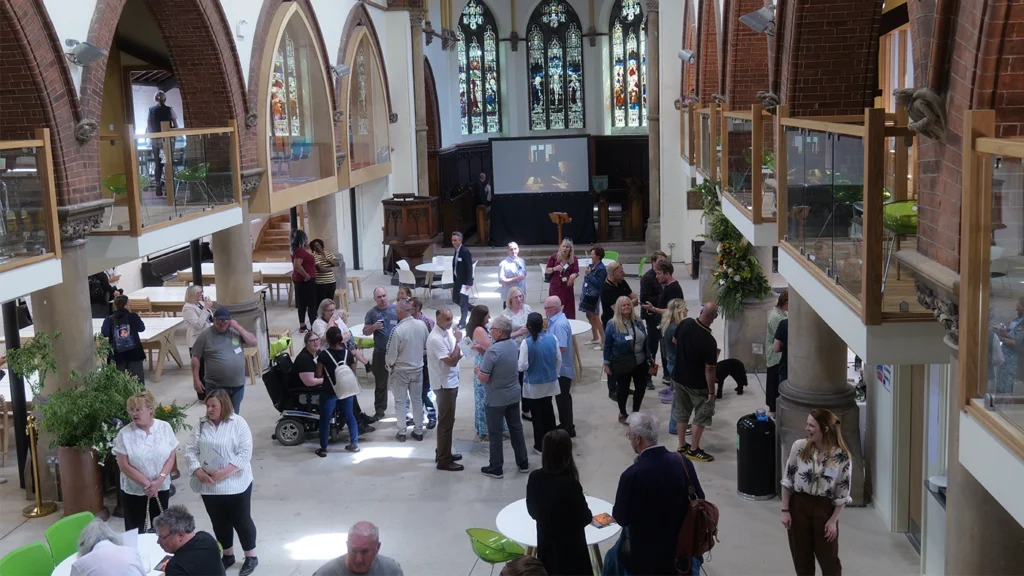
St Matthew’s Community Enterprise Centre, Hull
In person and online
Free vegetarian lunch provided. Questions and audience discussion encouraged.
Part of the Giroscope 40 programme celebrating 40 years of action, impact and neighbourhood renewal.