Author: Caroline Gore-Booth, Project Manager
For me, the value of our Westminster event is the opportunity to connect policy conversations with what actually happens on the ground.
Caroline Gore-Booth, Project Manager, Giroscope
One of the things about my job at Giroscope is that no two days look quite the same.
Some days are dominated by the practical details: grant reporting, budgets, bills, property costs and working out how to make the numbers add up. On others, we are having much bigger conversations about our ambitions for the neighbourhood, how our services need to change and what Giroscope could do next.
Those two sides of the job are much more closely connected than they might appear.
Here at Giroscope, ideas only become homes, jobs, training opportunities and community spaces if we can find a sustainable way to make them happen. And after 40 years of working in west Hull, we have learned that rebuilding a neighbourhood is rarely about one project, one pot of money or one quick intervention. It is about staying.
The value of a stable home
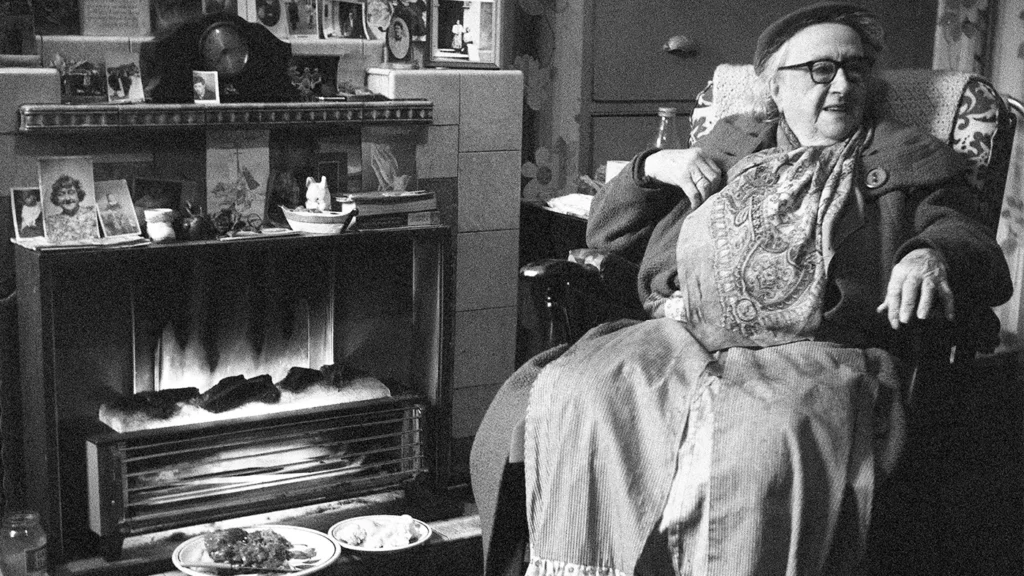
Housing is at the heart of what we do, but for me the value of a home goes far beyond the building itself.
A secure, affordable home gives somebody a stable base. They know where they are going to be living. They know where their children are going to school. They are not expecting a sudden large rent increase or wondering whether they will have to move again in six months.
That stability creates room to think about everything else: work, relationships, education and longer-term ambitions.
We see the effects of that every day. There are hundreds of people sleeping in a Giroscope home each night, but the impact reaches much further than the number of properties we own. Each of those people has family, friends and connections within the neighbourhood.
Sometimes the change can be genuinely transformational. We have even seen tenants move on to buy homes of their own. An affordable rented home has been one part of that journey.
It is a reminder that housing policy is ultimately about people and about what becomes possible when the foundations of life are secure.
The work that doesn’t always fit a funding programme
The same principle applies to our employment and skills work.
Funding programmes understandably need targets and measurable outcomes. But the reality of working with people is often less tidy.
Some programmes are designed to work with a certain number of people over a relatively short period, with success measured by progression into employment or further training. Those outcomes matter.
But there are also people for whom the most important thing may be having somewhere to come, something purposeful to do, trusted people around them and support that continues for longer. We sometimes work with people who have been let down, and this makes us determined not to let them down.
At Giroscope, we have always tried to retain that person-centred approach, even when it is difficult to attach a funding code to it.
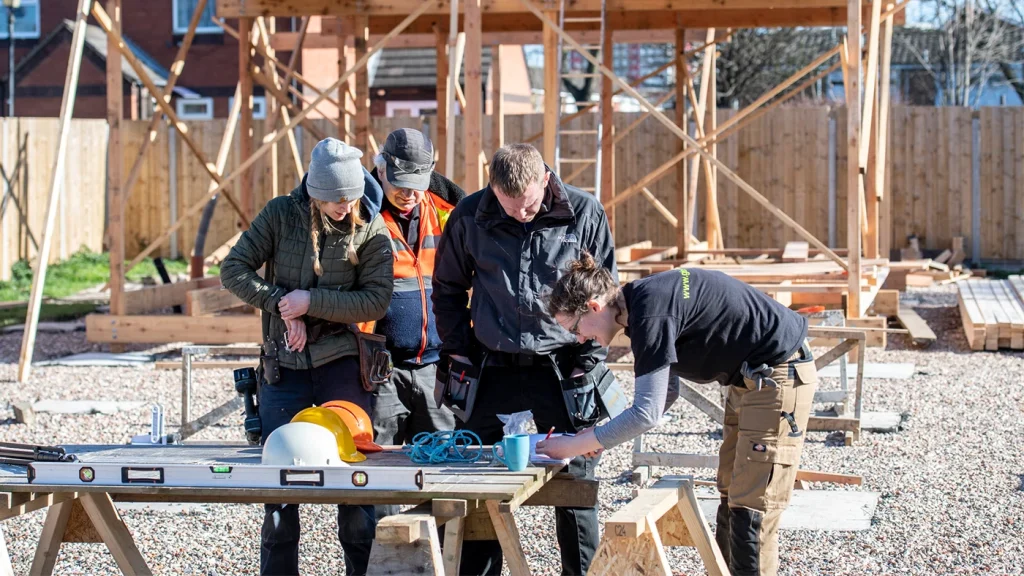
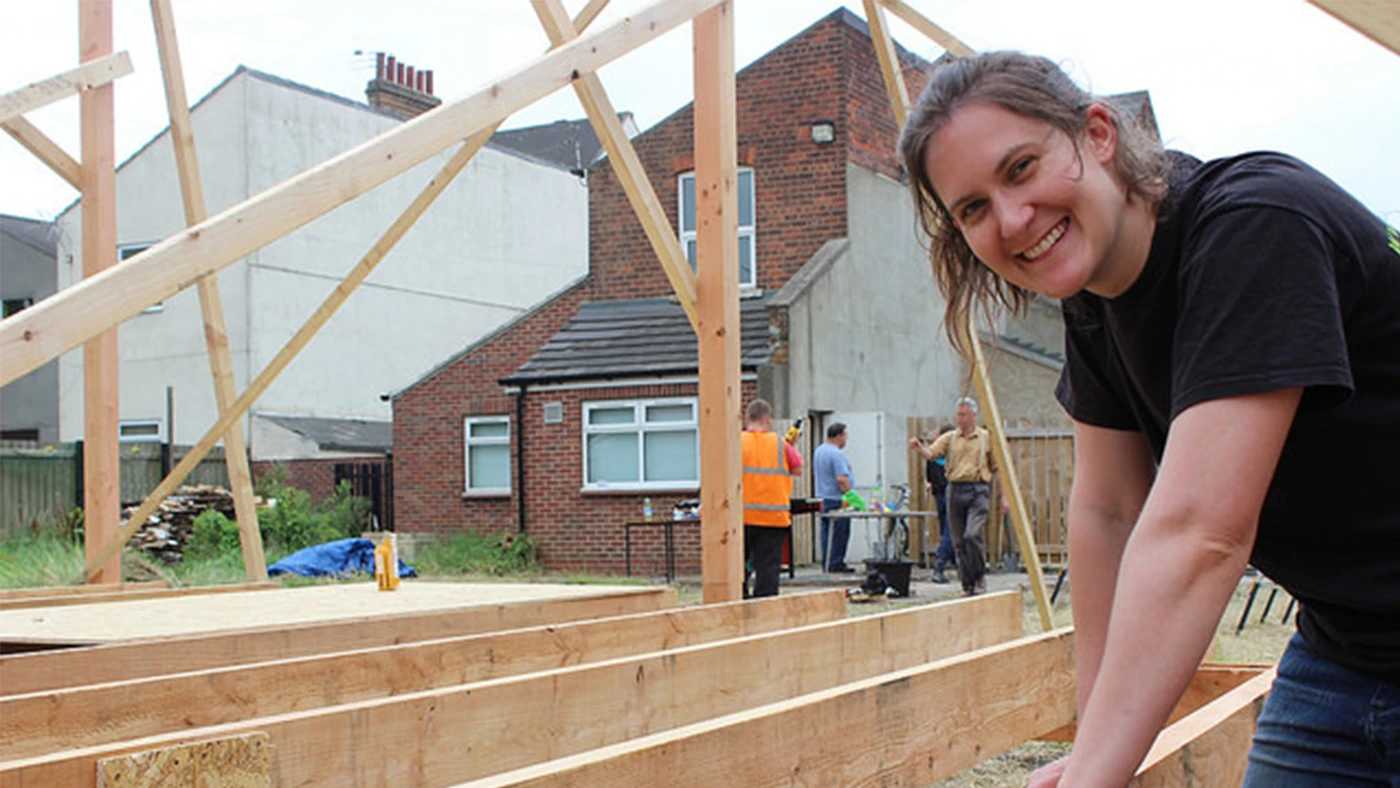
Alongside that support, we create practical routes into work. Our enterprises and projects can provide placements where people gain skills, experience and something meaningful for their CV. Some progress into contracts with us; others use that experience as a stepping stone into their next job.
That connection between homes, enterprise, skills and community is important. We do not see them as separate pieces of neighbourhood renewal.
Neighbourhood regeneration driven by housing need
A large part of my day-to-day role is about making all of this financially possible.
Giroscope has rarely relied on one source of money. A project might combine borrowing to purchase a property, grant funding for part of the renovation, income connected to skills or training, research funding and eventually rental income.
It is a layered model.
That diversity gives us some resilience, because we are not completely dependent on a single funding source. But there are pressures.
Property renovation is considerably more expensive than it used to be. Funding can be short term, while genuine neighbourhood renewal is long term. And as an organisation grows, a grant that might once have enabled a significant amount of activity simply does not stretch as far.
That is why I think access to appropriate, low-interest finance for organisations doing this kind of work could make such a difference.
We are not arguing that everything should be given away for free. Giroscope is a functioning business. Rental income, trading activity and borrowing are part of our model, and having a financial stake in something can be important.
But better access to affordable finance could enable organisations with a strong track record to purchase more homes, bring more empty buildings back into use and invest for the long term.
It could give us greater control over our own future rather than forcing good neighbourhood work into a succession of short-term projects.
Using what is already here
Another part of our work I care particularly about is making better use of the buildings a neighbourhood already has.
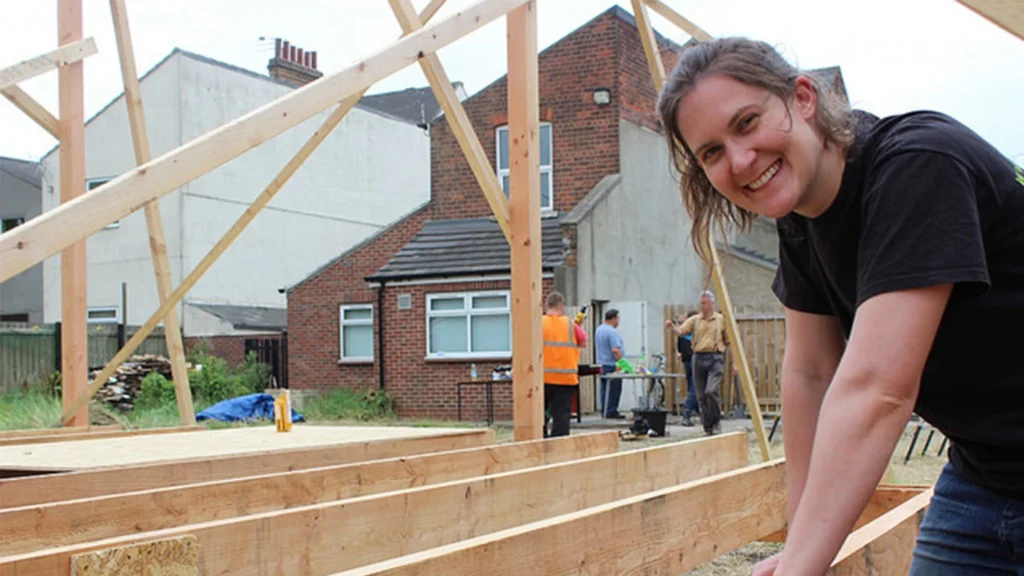
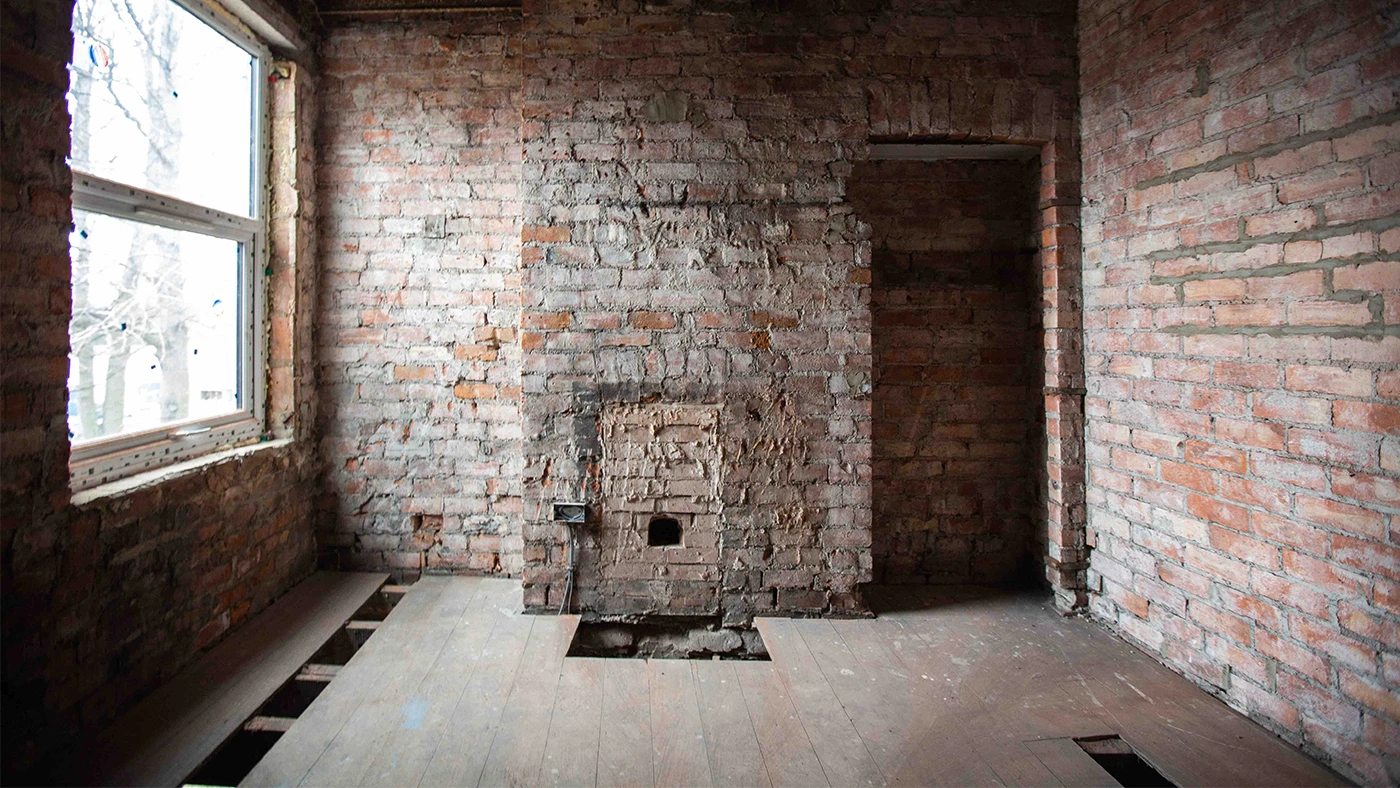
I trained as an architect, and I am very conscious of the resources embodied in a building. When we renovate an existing property, the bricks are already there. We are keeping materials in use rather than throwing them away and starting again.
But it is about much more than carbon or resource efficiency. Buildings contribute to how people feel about where they live.
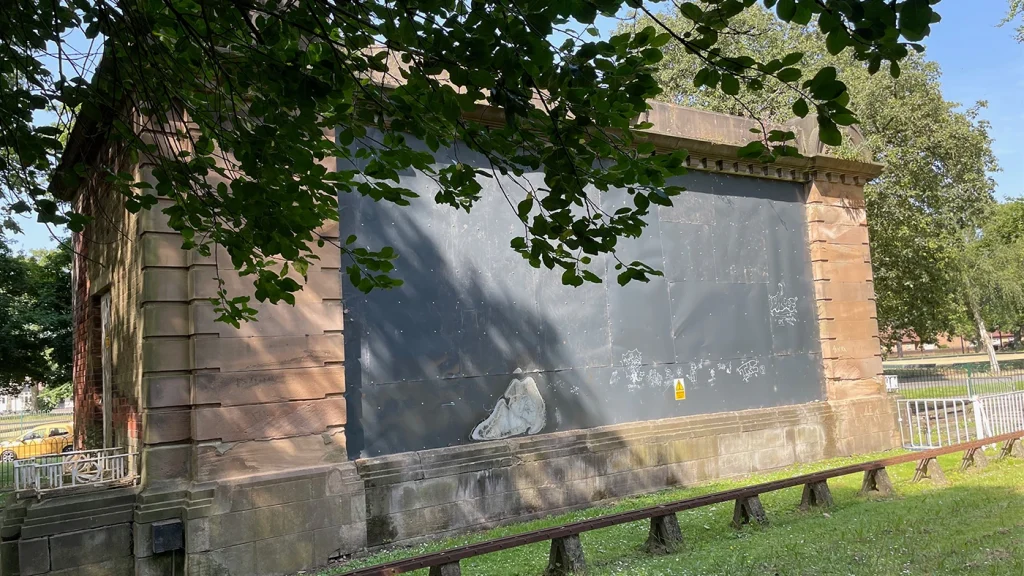
Bringing an empty house back into use changes a street. Finding an imaginative new purpose for a larger building can save something that might otherwise have been lost. Creating good-quality homes, workplaces and community spaces in areas that have experienced long-term deprivation says something important: people here deserve good places too. The environment around us matters.
From doing the work to shaping the conversation: ‘From Homes to Communities’, 9 September 2026
After four decades, Giroscope has accumulated a great deal of practical knowledge about what it takes to make neighbourhood renewal work.
We know that large-scale investment can make an enormous difference when communities are genuinely involved. We also know that money by itself does not create lasting change.
You need relationships. You need local knowledge. You need organisations prepared to stay for the long term. And you need the flexibility to respond to individual people and individual streets rather than treating every neighbourhood as though it has the same problems and the same solutions.
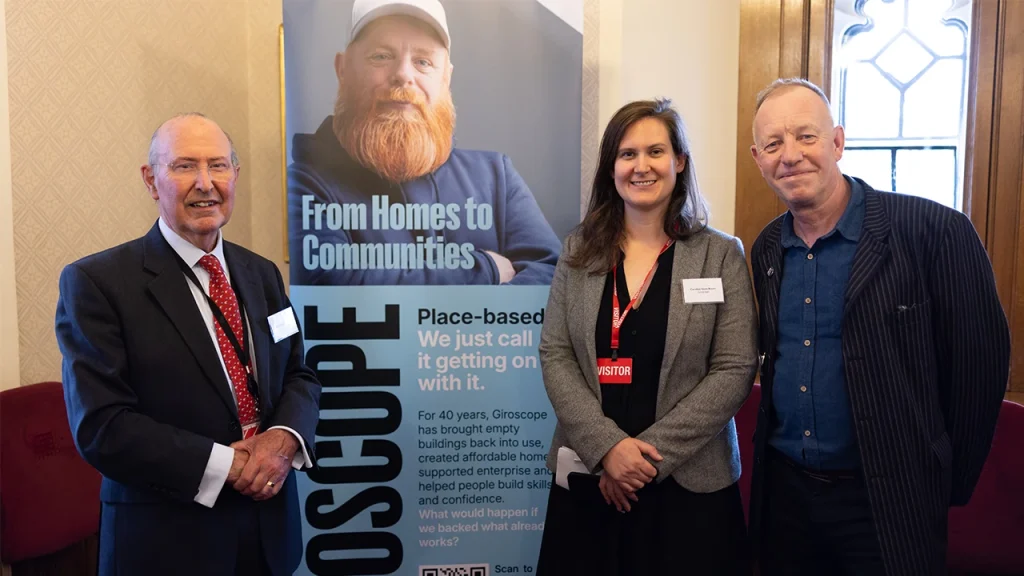
That experience is one reason we are taking From Homes to Communities to Westminster this September.
On 9 September 2026, Giroscope will hold a reception in the Home Room at the House of Lords, sponsored by Lord Richard Best, as part of our 40th anniversary year.
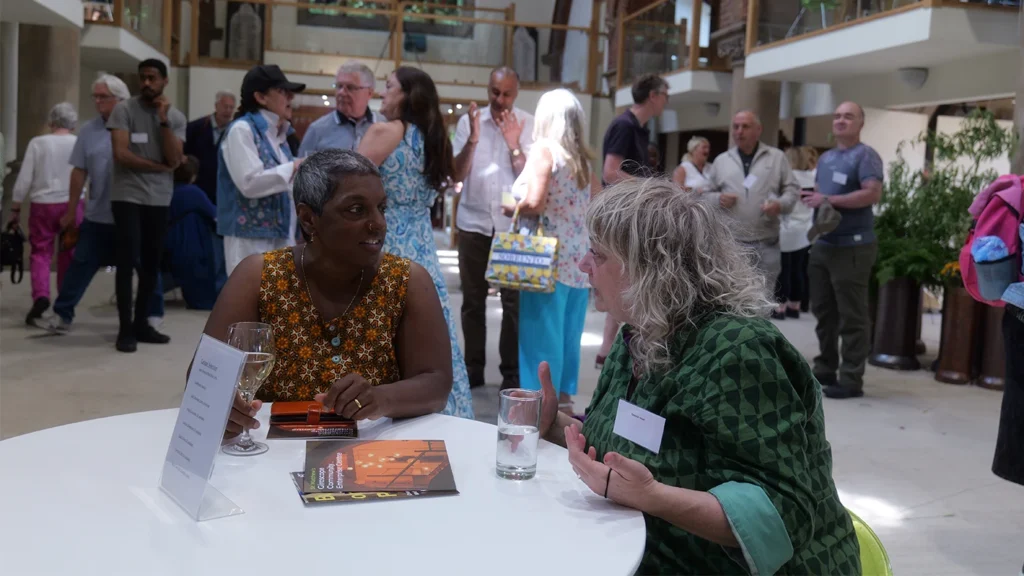
We will be bringing together politicians, policymakers, researchers, people working in housing and regeneration, and supporters of Giroscope to talk about the future of affordable social housing, neighbourhood renewal and the Pride in Place agenda.
We will also be talking about The Northern Way – a collaborative group of grassroots housing providers across the North of England working together to bring about lasting change in their communities.
When I sit down at work and look at a property we want to buy, a renovation that needs financing or a programme we want to keep running, policy can feel very distant. But decisions about investment, lending, regeneration and skills have a direct impact on what organisations like ours can achieve.
Giroscope has spent 40 years turning empty buildings into homes, creating enterprise and employment opportunities and working alongside the people who live here.
We want to bring that experience into the conversation about what comes next.
Because if we are serious about rebuilding communities, we need to think beyond individual houses and individual funding programmes.
We need to think about the conditions that allow people, organisations and neighbourhoods to put down roots, and thrive.
From Homes to Communities
9 September 2026
Home Room, House of Lords, Parliament Square, London SW1A 0PW
Sponsored by Lord Richard Best
Email info@giroscope.org.uk with any enquiries about the event.