Radical ideas, community architecture and the future of housing
What can the radical housing ideas of the past teach us about building homes and communities today? On Friday 23 October, architect Duncan Roberts joins Giroscope Project Manager Caroline Gore-Booth for the next Giroscope 40 Lunch Plus to explore self-build, community architecture, and the enduring influence of writer and anarchist thinker Colin Ward. Book now.
More than forty years ago, Colin Ward published a book with a title that still feels strikingly current: When We Build Again: Let’s Have Housing That Works!
Ward wrote extensively about housing, architecture, and how ordinary people could have more control over the places they lived. His ideas were grounded in practical action: people working together, making use of overlooked resources and finding their own solutions to immediate problems.
Those ideas have a particular resonance for Giroscope.
Founded in west Hull in the mid-1980s, Giroscope grew from a similarly practical belief that people did not have to wait for somebody else to solve the housing problems around them. Empty and neglected houses could become homes. Learning construction skills could create routes into work. Bringing buildings back into use could begin to change a neighbourhood.
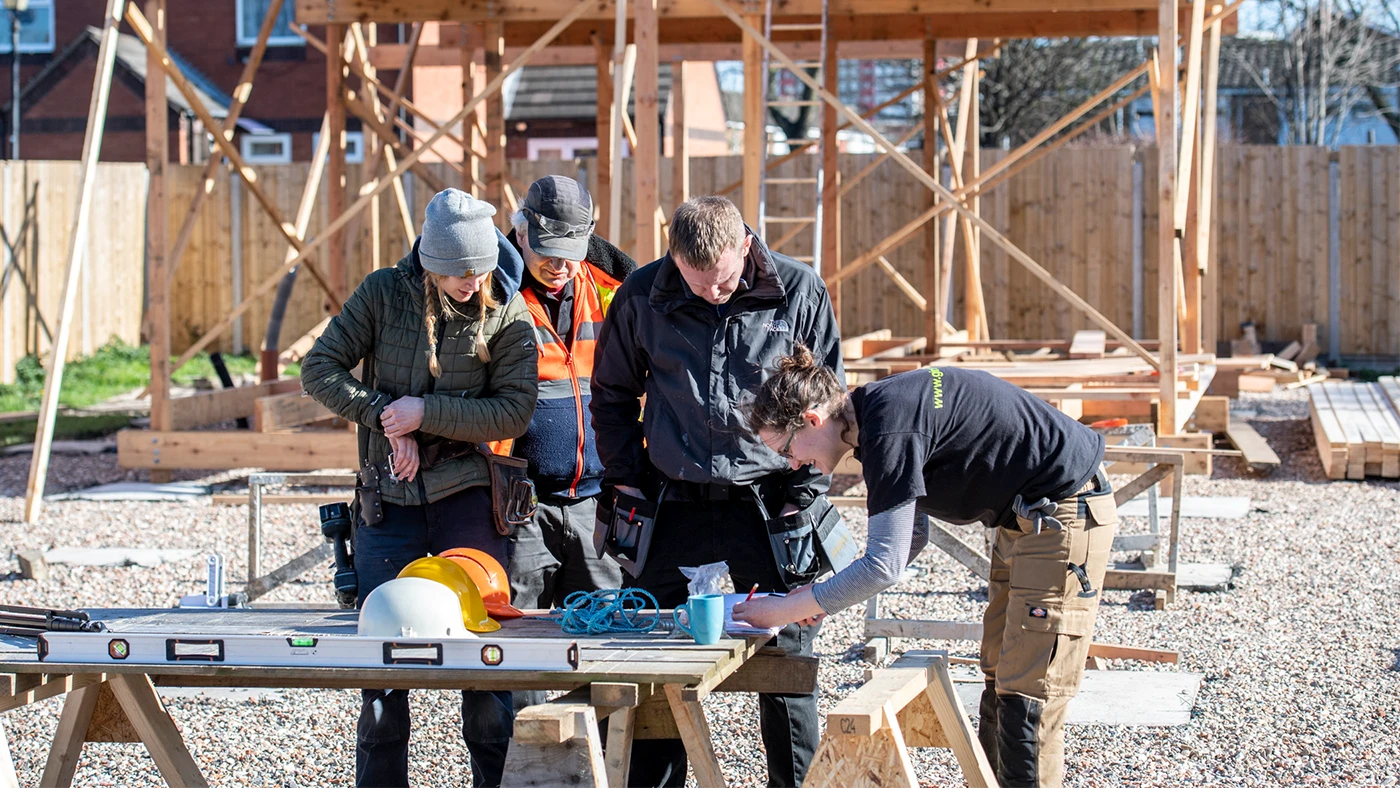
For the next event in our Giroscope 40: Lunch Plus series, which explore ‘radical ideas’ and ‘real connections’, we will explore how that tradition of self-help and mutual aid connects with one of Giroscope’s most ambitious projects: the construction of three new timber-framed social homes in the heart of our neighbourhood.
From Colin Ward to community self-build
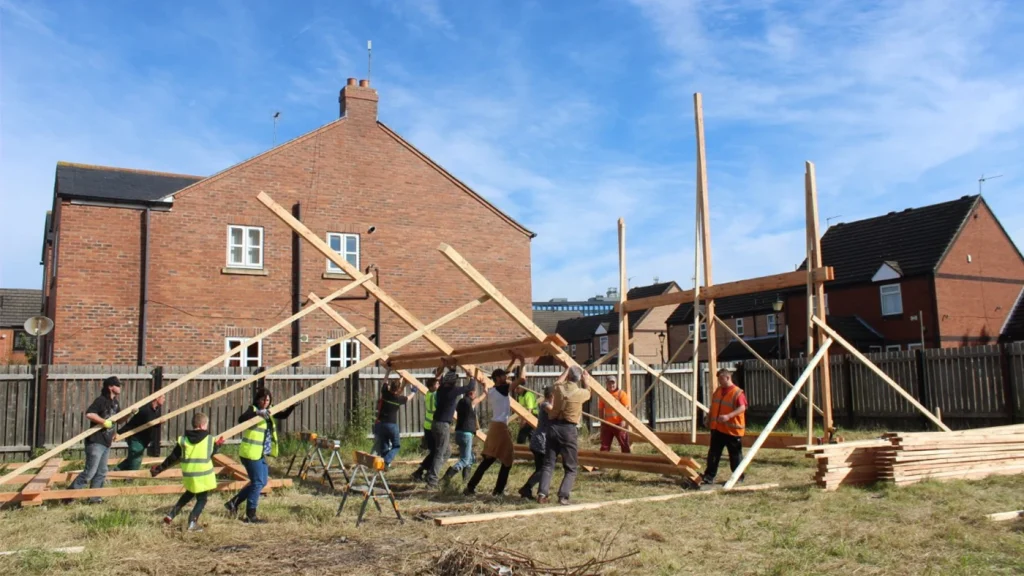
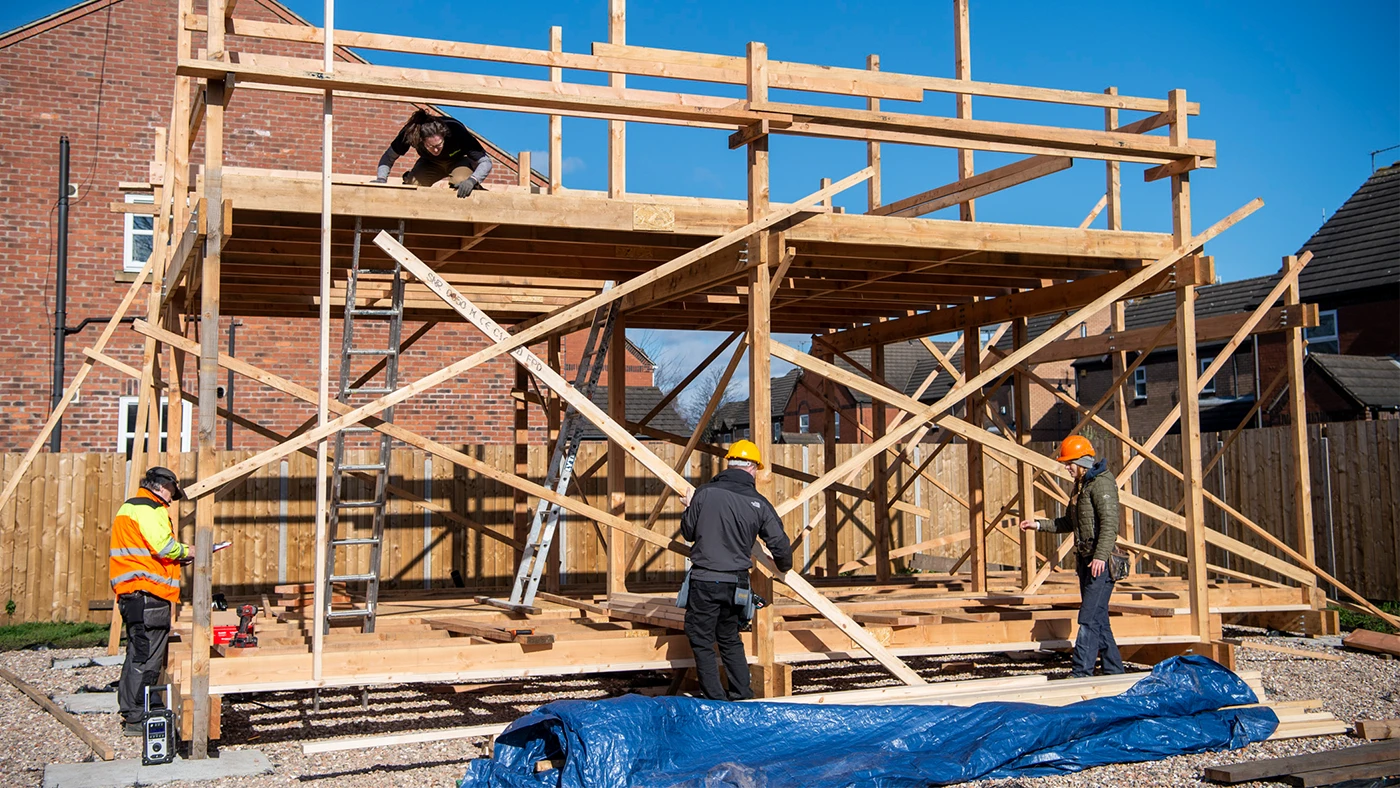
Our guest speaker Duncan Roberts is an architect with a longstanding involvement in self-build and community-led architecture. He studied architecture in Hull in the 1980s and encountered the ideas of architect Walter Segal, whose simple timber-frame construction system was developed to enable people without conventional building experience to participate directly in creating their own homes. Duncan later brought those ideas back to Hull as the architect for Giroscope’s new-build project.
Ward was an important link in that story. In the 1970s, he helped connect Walter Segal with architect Brian Richardson at Lewisham Council. That relationship led to pioneering council-supported self-build projects in south London, where people on the housing waiting list were given the opportunity to build their own homes using Segal’s methods. Contemporary accounts describe Ward as the person who brought Segal and Richardson together, helping an unconventional idea find the institutional support it needed to become real.
It is exactly the sort of connection that sits behind the theme of our anniversary programme: a radical idea becoming possible because the right people meet, share knowledge and decide to try something different.
Duncan has been tracing that lineage in preparation for the event: from Ward and Segal, through Giroscope’s own early interest in self-build, to the three houses eventually completed beside our Coltman Street base.
The value lay partly in the involvement and empowerment generated by the process and in the confidence it gave the organisation to attempt more ambitious work.
Caroline Gore-Booth, Project Manager, Giroscope
Building differently in Hull
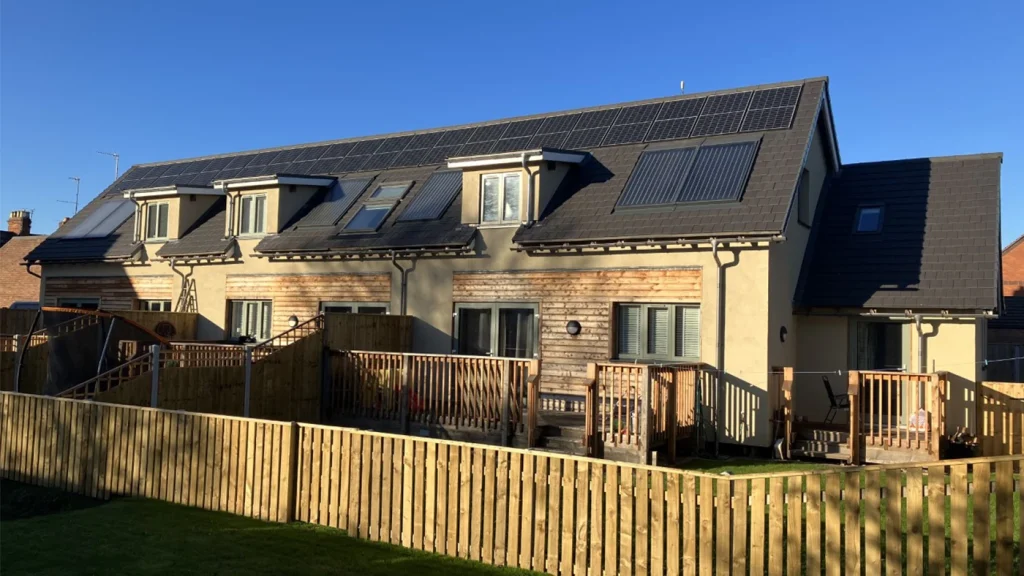
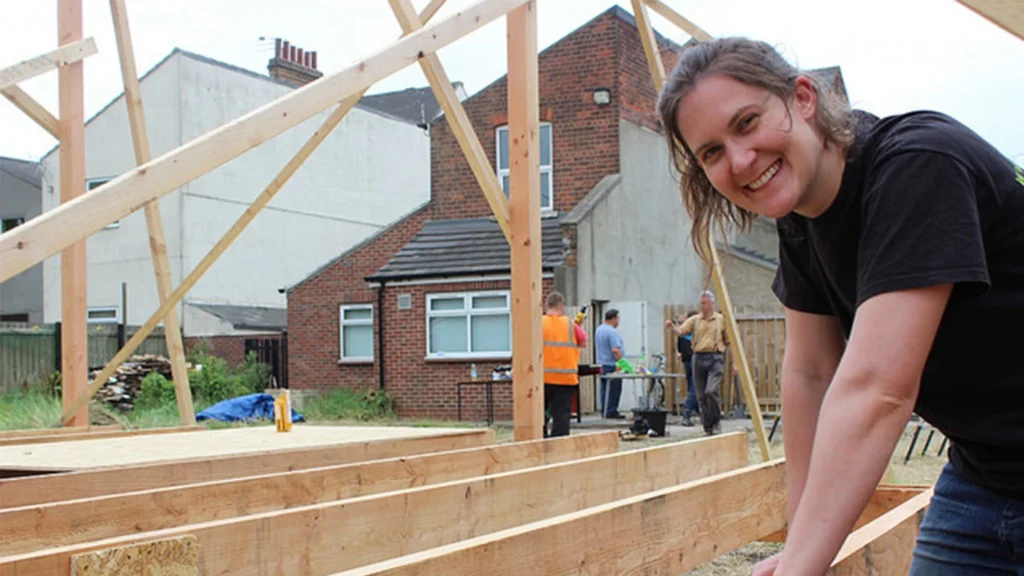
Completed in 2022, Giroscope’s three timber-framed homes were designed by Duncan in collaboration with Giroscope and the people who would eventually live in them. They draw on the principles of the Segal self-build approach while responding to contemporary demands around sustainability, comfort and resilience.
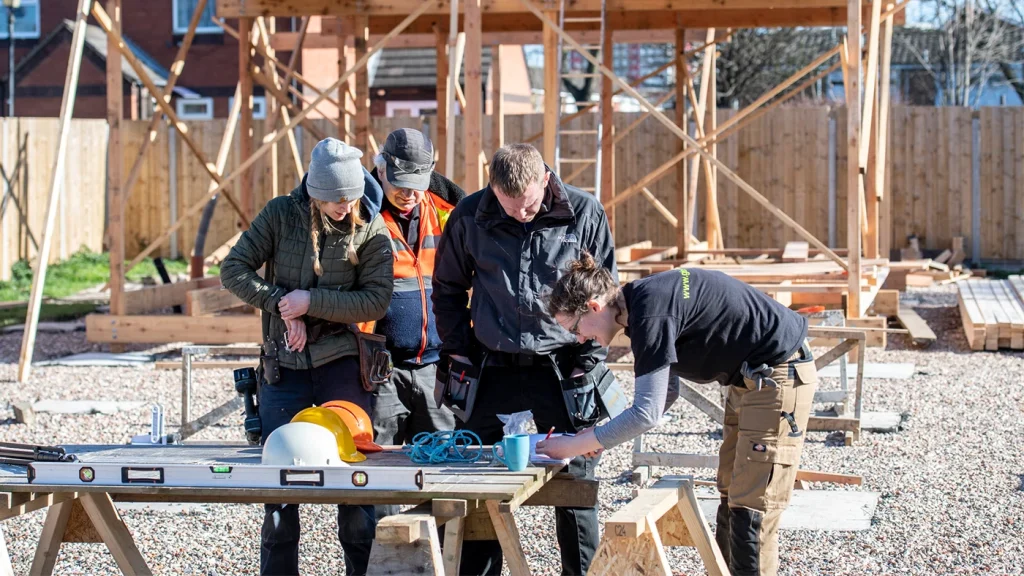
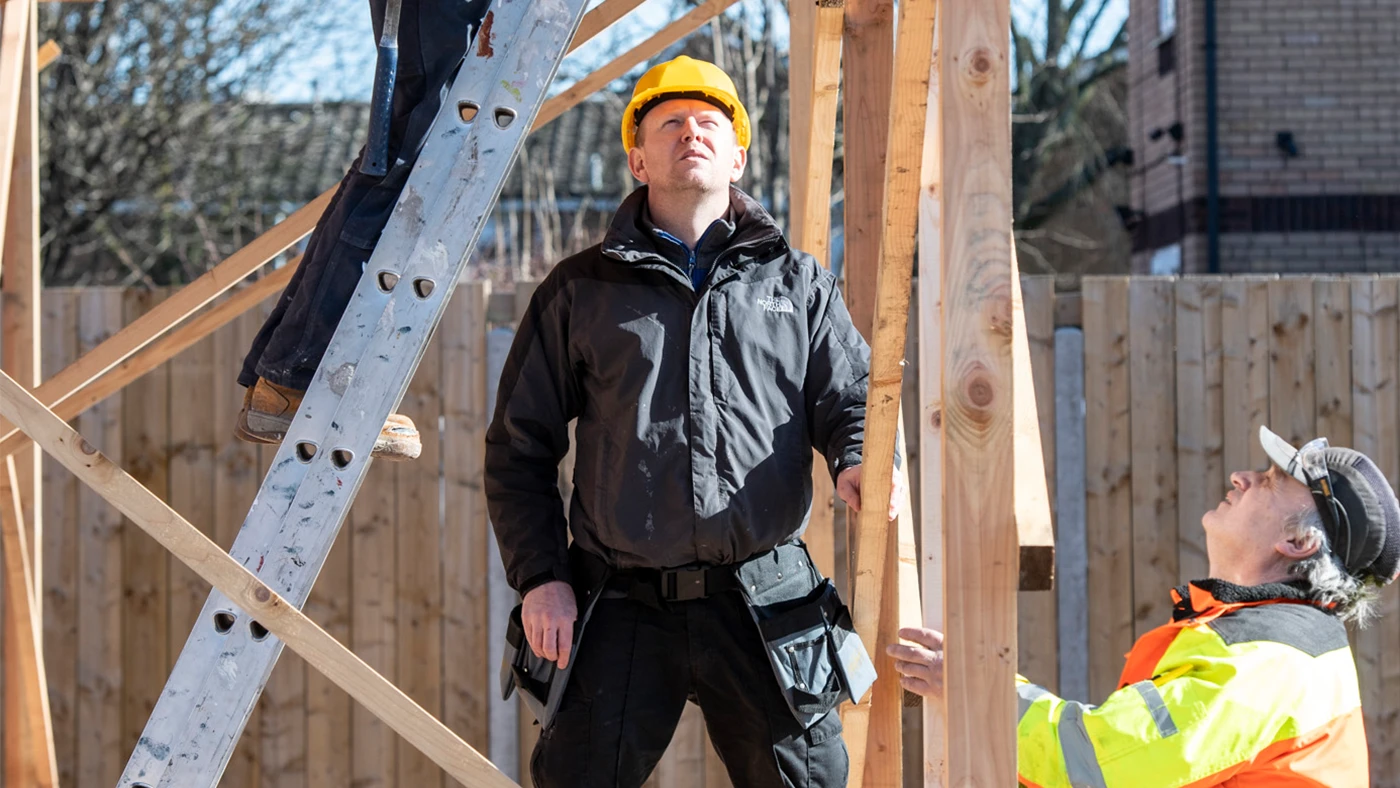
They are highly insulated, triple-glazed and gas-free, with natural and lower-impact materials incorporated wherever possible. Volunteers, staff, tenants, subcontractors and students all took part in the building process.
But the importance of the project cannot simply be measured by whether self-build is cheaper than conventional construction. Also is the issue of quality, participation and confidence: what happens when people are involved in making a building rather than simply receiving the finished product? How does construction become an opportunity to learn? And what does an organisation learn when it takes on a project that stretches its existing skills?
For Giroscope, the experience fed directly into its ability to tackle bigger projects. The build created training opportunities and, for some of those involved, helped open a route into construction employment.
“The value lay partly in the involvement and empowerment generated by the process and in the confidence it gave the organisation to attempt more ambitious work.”
Caroline Gore-Booth, Project Manager, Giroscope
The self-build project was an opportunity to insist that good architecture should not be reserved for affluent places. The homes sit behind Giroscope’s Coltman Street base, within the neighbourhood in which we have worked for four decades.
Their design draws something from Hull’s own tradition of small terraces reached from main streets, while creating a traffic-free environment and homes designed around the people who live there.
When we build again
That brings us back to Ward’s title.
‘When We Build Again’ was published in 1985, the year before Giroscope was incorporated.. Four decades later, Britain is once again having an urgent national conversation about how, where and by whom homes should be built.
The current UK Government has set an ambition to deliver 1.5 million homes during this Parliament. Its ten-year £39 billion Social and Affordable Homes Programme places particular emphasis on social rent and explicitly includes community-led housing and bringing empty homes back into use among the activities it can support. At least 60% of homes delivered through the programme are intended to be social housing.
That makes the questions behind this Lunch Plus especially timely. Increasing the number of homes matters. But there are other questions too. What kind of homes do we build? Who gets to shape them? Where does land come from? How do we retain quality while controlling costs? And can building homes also build skills, confidence and stronger communities?
Some of the obstacles are greater than they were in Ward and Segal’s time. The cost of acquiring land, which makes experimentation and community-led development much harder than it was fifty years ago.
The experience of building the Coltman Street homes produced difficulties, learning and plenty of moments when doing things conventionally might have been easier. But it also left an ambition to use what was learned and do it again. That future-facing ambition is perhaps the strongest reason for revisiting the project now.
Join the conversation
Giroscope 40: Lunch Plus with Duncan Roberts and Caroline Gore-Booth
Friday 23 October 2026
12pm–1.30pm
St Matthew’s Community Enterprise Centre, Hull
Also available online via Microsoft Teams
Duncan and Caroline will be in conversation about Colin Ward, Walter Segal, the story behind Giroscope’s self-build homes and what community-led architecture might have to offer the next generation of house building.