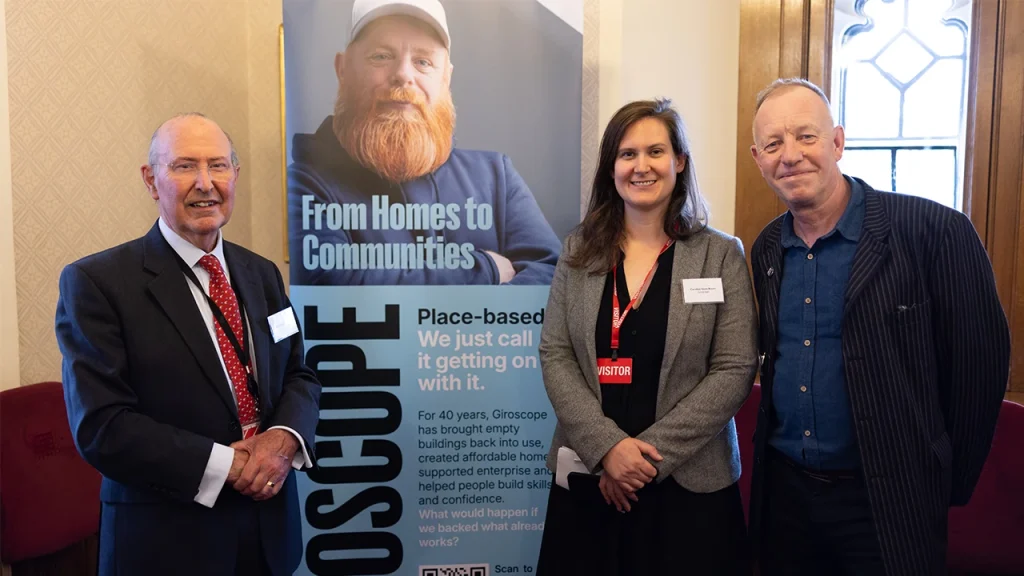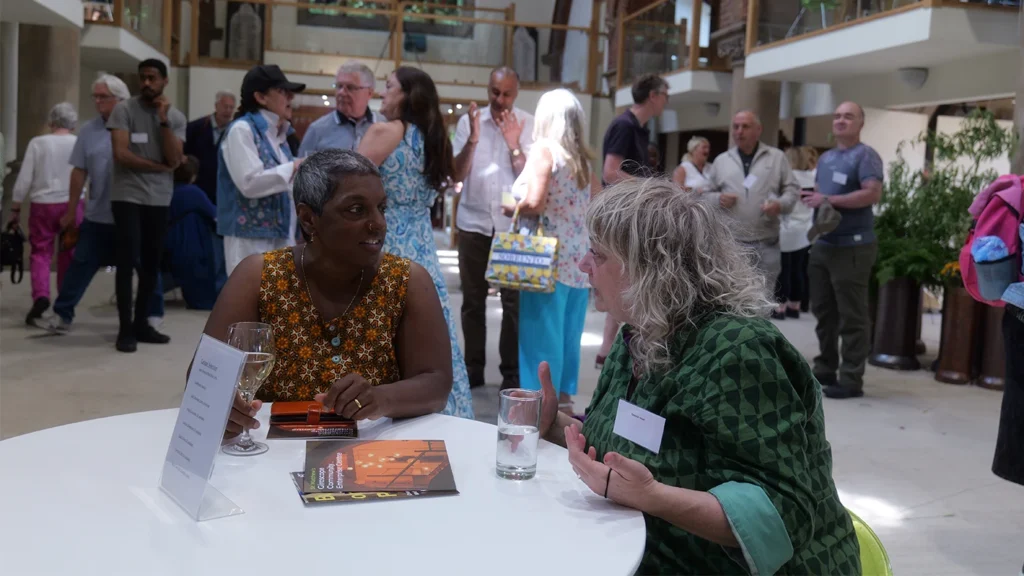
We attend the Westminster presentation of the new report 'No Short Cuts: Towards a National Strategy for Neighbourhood Recovery'.
The Independent Commission on Neighbourhood’s recent report is spot on when it declares there are too many disadvantaged neighbourhoods.
Most neighbourhoods are disadvantaged by the cumulative impact of job losses, higher social welfare and benefit expenditure, and the loss of local economic output. Communities are often demoralised, and opportunities are lost for thousands of people.
The report is a rallying cry to the nation to mobilise and re-energise a new spirit of neighbourhood recovery. The message of the report is simple. There is no excuse for not taking action to improve England’s disadvantaged neighbourhoods.
We believe that existing grassroots organisations should be the shapers and deliverers of the neighbourhood investment plans recommended in the report. The plans should be co-created with communities alongside deeply rooted third-sector bodies, such as robust and sustainable community-focused housing and regeneration charities or social enterprises. Local knowledge is key here to the success the UK Government wishes to realise.
Richard Motley, Development and Regeneration Co-ordinator
A long-term approach
There have been numerous interventions, and we know what works. Previous approaches like the New Deal for Communities and, more recently, Big Local have been widely evaluated as being highly effective. Unfortunately, discontinued and not applied over the timeframes necessary to secure sustained uplift.
We know where effort should be targeted – the commission identified 613 of what it describes as ‘Mission Critical Neighbourhoods’. Giroscope is located in one of these areas, in West Hull. But as the report states there are no shortcuts either. It advocates a multi-decade effort, akin to the national reconstruction seen after the Second World War.
These communities and places visited by the commission have been let down for decades, first hit by de-industrialisation, austerity and most recently Covid-19. These problems will not be turned around overnight. It will require support and investment over decades!
Here we have some positivity with the return of ‘neighbourhoods’ to the UK government’s agenda, Whitehall’s attention is firmly back on the most overlooked parts of the country. Which is good for Hull. The UK Government’s Pride in Place announcement in September last year made that clear. As the ‘No Short Cut’ report sets out, this has to be the first stage in a much broader agenda of neighbourhood recovery.
I would identify 3 recommendations in the report that should be urgently adopted:
- Establishing a ‘Neighbourhood Recovery Pipeline’. This would lay out a clear timetable for rolling out government support for the most disadvantaged neighbourhoods. This pipeline should be backed by investment worth £2-2.5bn a year over the next twenty years.
- Creating a Neighbourhoods Unit. A central government unit to coordinate across government policy for disadvantaged neighbourhoods and implementing a ‘National Strategy for Neighbourhood Recovery’.
- Developing a Pride in Places Partnership. A partnership of government, civil society, charitable foundations, and other experts to help give neighbourhoods what they need to transform their areas and identify what works.
Undoubtedly, the Independent Commission on Neighbourhoods is well aligned with the UK Government’s thinking. Labour’s Pride in Place programme is designed to deliver £2 million investment per year in places identified over the next 10 years.
This £20 million investment is welcome and positive news. Though currently short of practical arrangements, indications suggest local MP’s and local authorities will be heavily involved.
Despite this, it reflects a willingness to reappraise and learn from previous regeneration policy and investment approaches. This is always to be welcomed.
This is true regarding the impact of sustained investment in those communities participating in the New Deal for Communities, funded over many years. However, £50 million over 10 years was received, not the anticipated £20 million.
We should also note that the 1997-2010 Labour government was in office for more than one term. Working across electoral cycles is key for host neighbourhoods receiving this investment. It shouldn’t just shore up local authorities or other delivery agencies budgets in the meantime. Placemaking and place investment take time!
Capacity and resource
Although the UK Government cautions against top-down approaches and advocates for devolution and, for grassroots participation, the necessary capacity at the local level has been significantly diluted over the previous 15 years.
The government will find it challenging to identify and ensure the investment is ultimately delivered by organisations rooted in such communities. Inevitably, there will be pressure to accelerate delivery, which will mean it turns to national London-based consultants/agencies parachuted into these places. The risk is that these pre-existing networks/organisations, successfully delivering investment and infrastructure over the long term, are ignored.
Pride in Place will seek to address this by using local authorities as accountable bodies. My experience is that this invariably limits innovation, and funds may be diverted away from neighbourhoods. Communities want to receive investment and adequate resources to deliver their own co-designed outcomes alongside their own trusted organisations.
With the funding for community investment and capacity building deflating at an alarming rate, the notion of focused place-based interventions at the neighbourhood level is badly needed to restore civic and individual pride in a place and community.
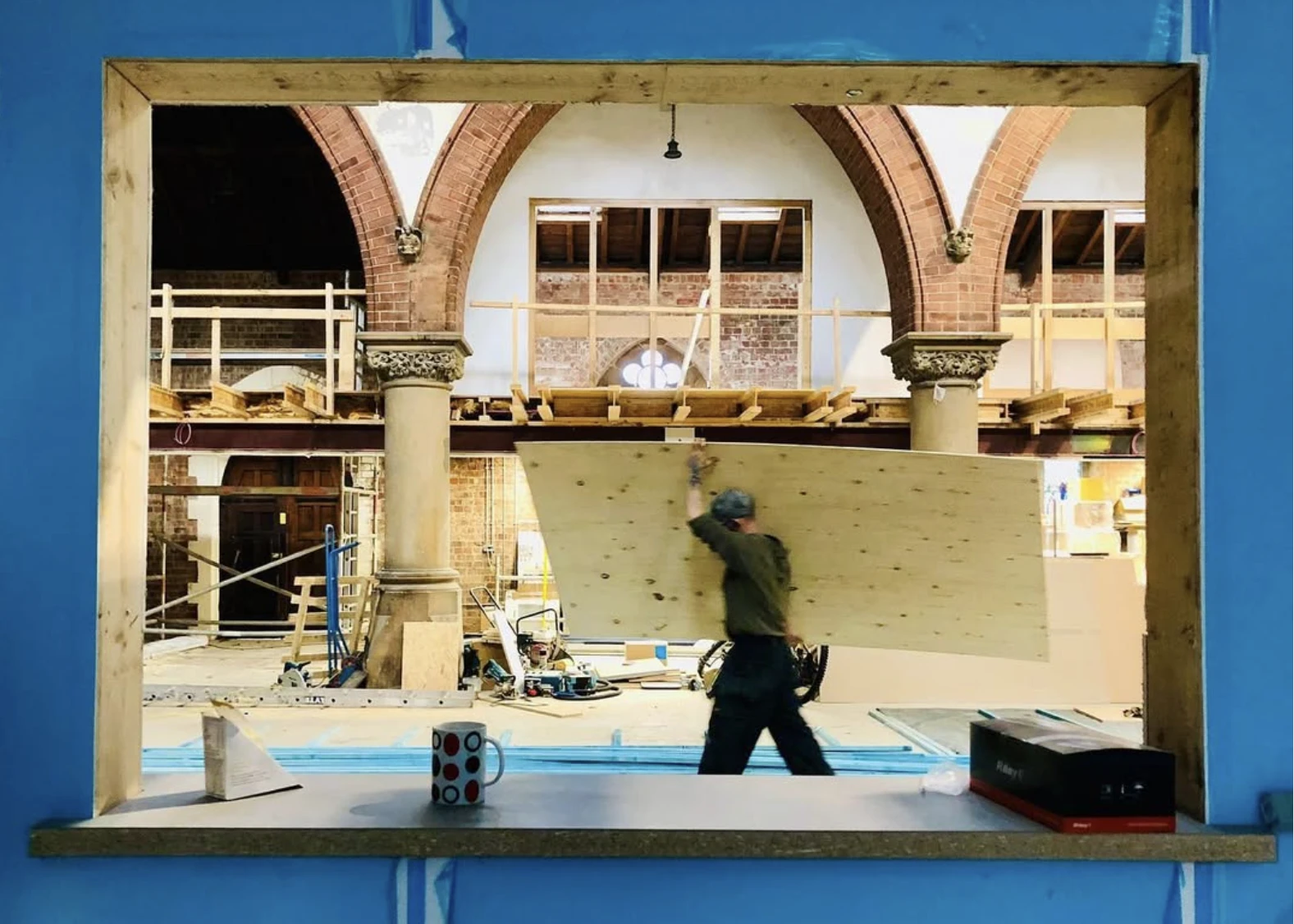
Organisations such as Giroscope working in West Hull deliver community-focused housing, employability and enterprise support, realising need-based solutions. From its origins as a self-help workers’ co-operative refurbishing empty property to secure safe and affordable homes, it has grown over four decades to provide 150 secure social housing for the people of West Hull and so much more.
We are one such organisation capable of acting as a delivery partner. The government should explore examples of other organisations demonstrating such a proven history of delivering housing, employment, space provision and skill development programmes and ensure that they are actively empowered to steer and work with their host community in achieving long-term and sustainable renewal.
Pride in Place should be more than a projection of a local MP’s or local authorities’ budgetary needs or political preferences.