Before the houses, before the politics, there was sound.
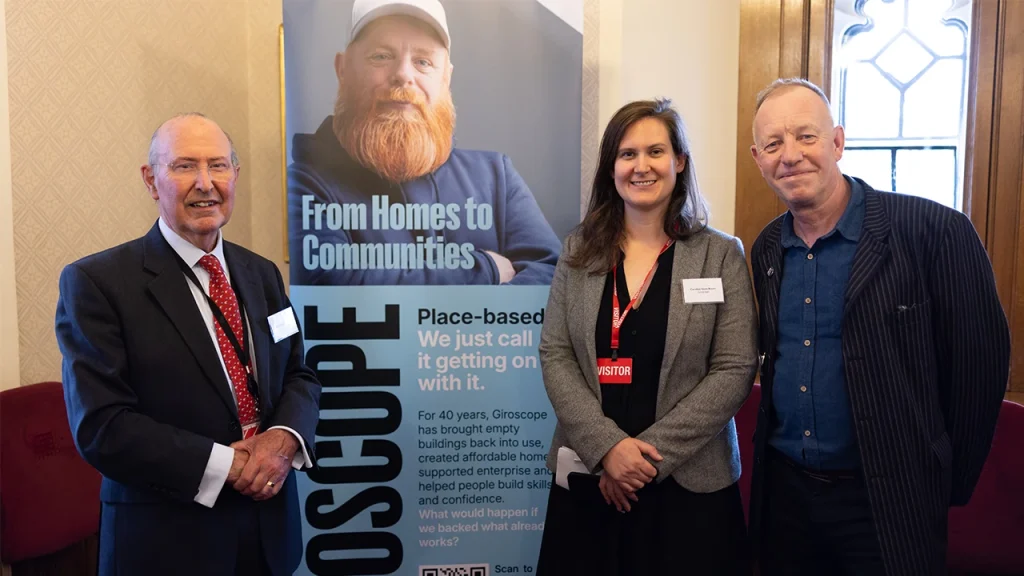
For Martin Newman and Robert Amesbury, both founding members of Giroscope, the early days on Wellsted Street were pretty lively. They came with a soundtrack: punk, reggae, soul. The Dead Kennedys, Curtis Mayfield, and reggae records playing on a ghetto blaster somewhere in the background, shaping the mood as much as the moment.
Music wasn’t separate from what was happening. It gave language to it. Energy. Direction.
It was there in the way people talked, the way ideas formed, lyrics carrying politics in a form that felt immediate and usable. Not theory, not policy, but something you could carry with you into the day’s work.
Politics you could touch
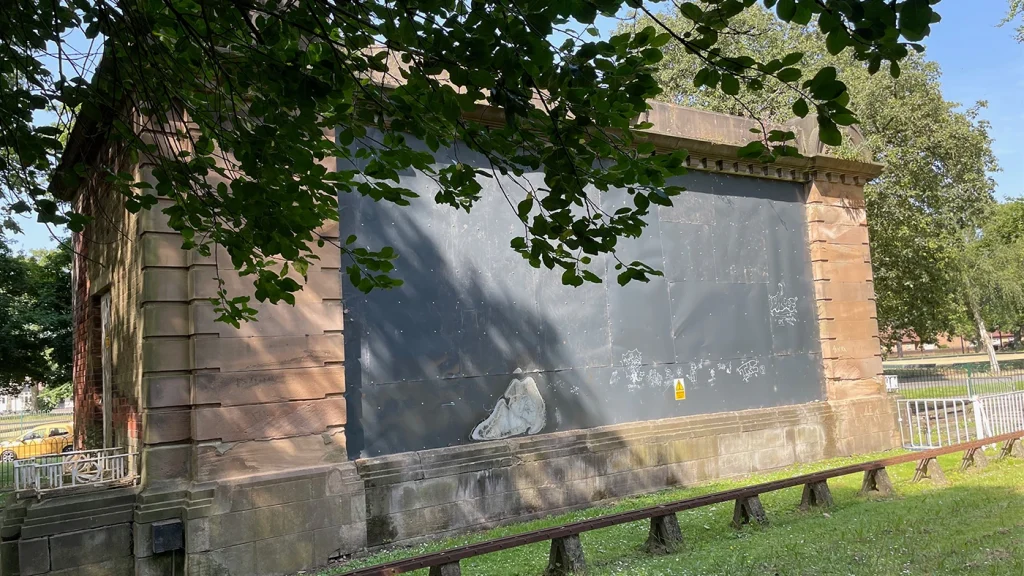
When Amesbury arrived in West Hull, he recognised something familiar from a background in Manchester’s Moss Side. Streets in transition and houses boarded up. A place not quite gone, but already being written off by the powers that be.
Newman describes the wider political climate of the early 1980s as one where protest was everywhere but expressed in negative and defeatist terms. What drew them in was the chance to do something different.
They were influenced by thinkers like Colin Ward, whose ‘Anarchy in Action’ argued for people shaping their own environments, and E.F. Schumacher’s ‘Small Is Beautiful’. Writers who called for human-scale, practical economics, the idea was simple: act locally, directly, and practically.
Buying empty houses wasn’t just a financial move. It was a political one. A way of working within the system, but bending it toward something else. Why did they do it? Because it was a good idea.
Alongside Amesbury and Newman, Kevin Cram AKA Crom, brother of athlete Steve Cram, and Reg Salmon, both key figures. The late Michael Shutt (Shutty), Paul Gower and Gillian Mann (Rasp). So the work began.
Learning the trade, one house at a time
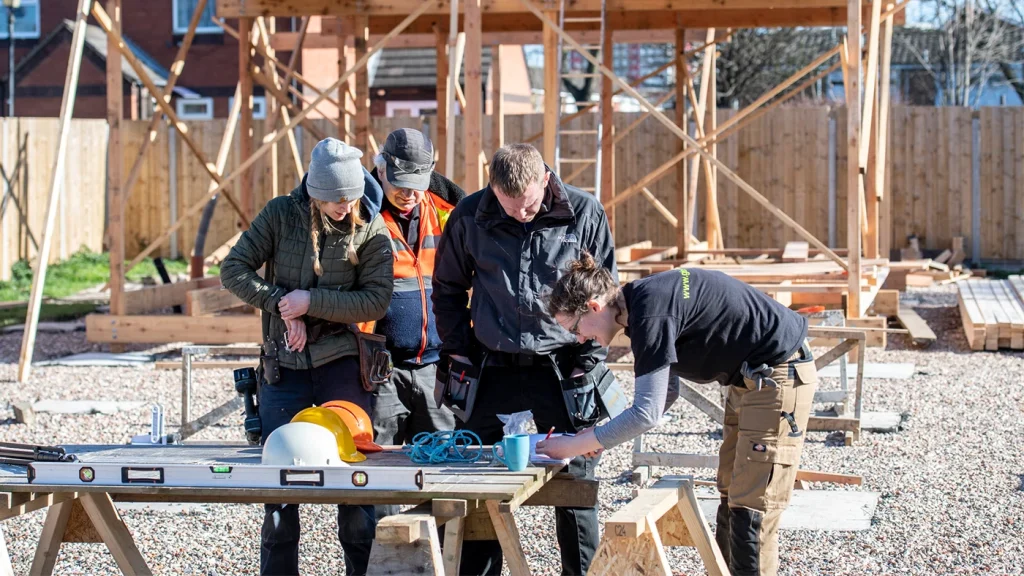
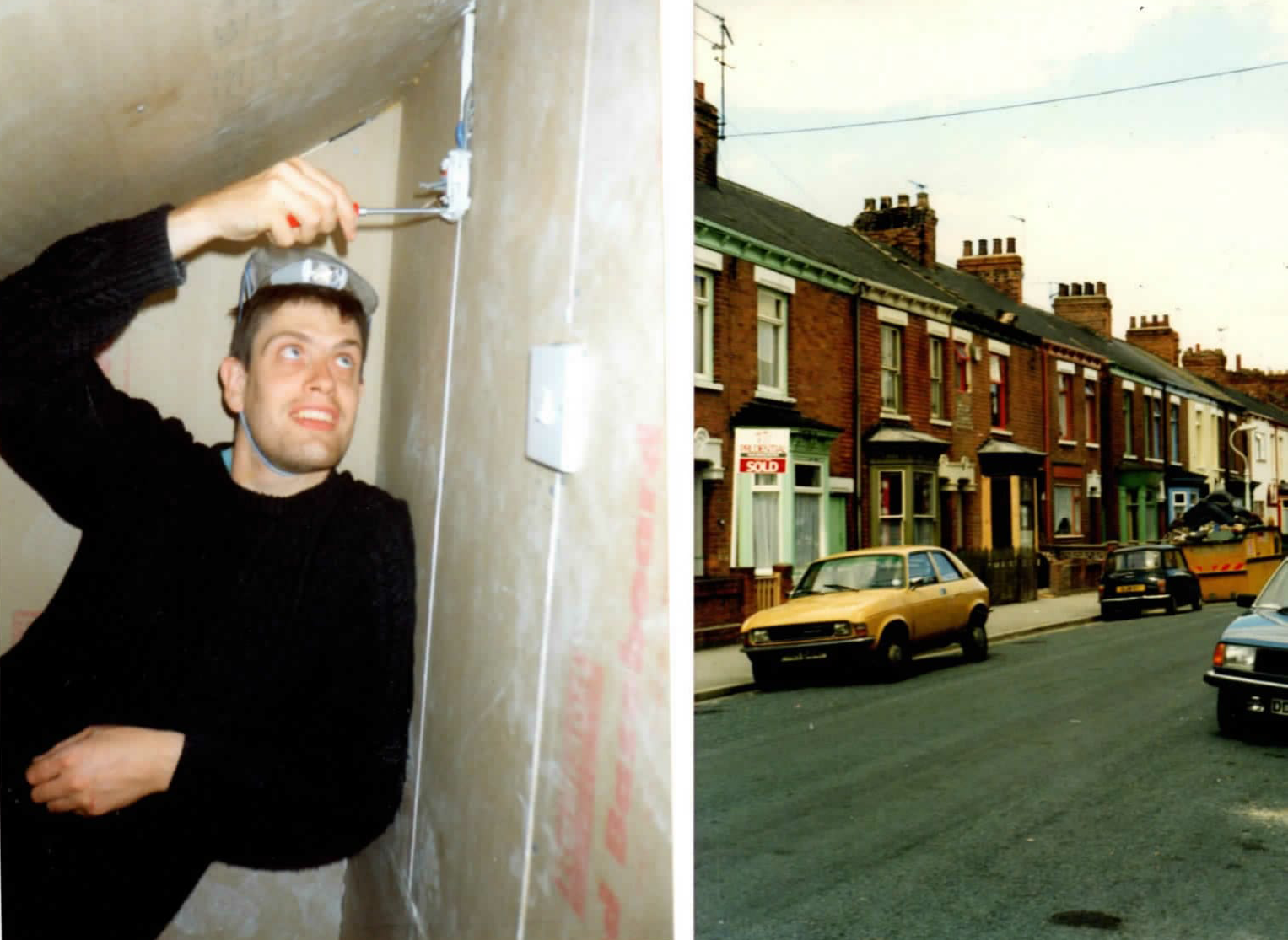
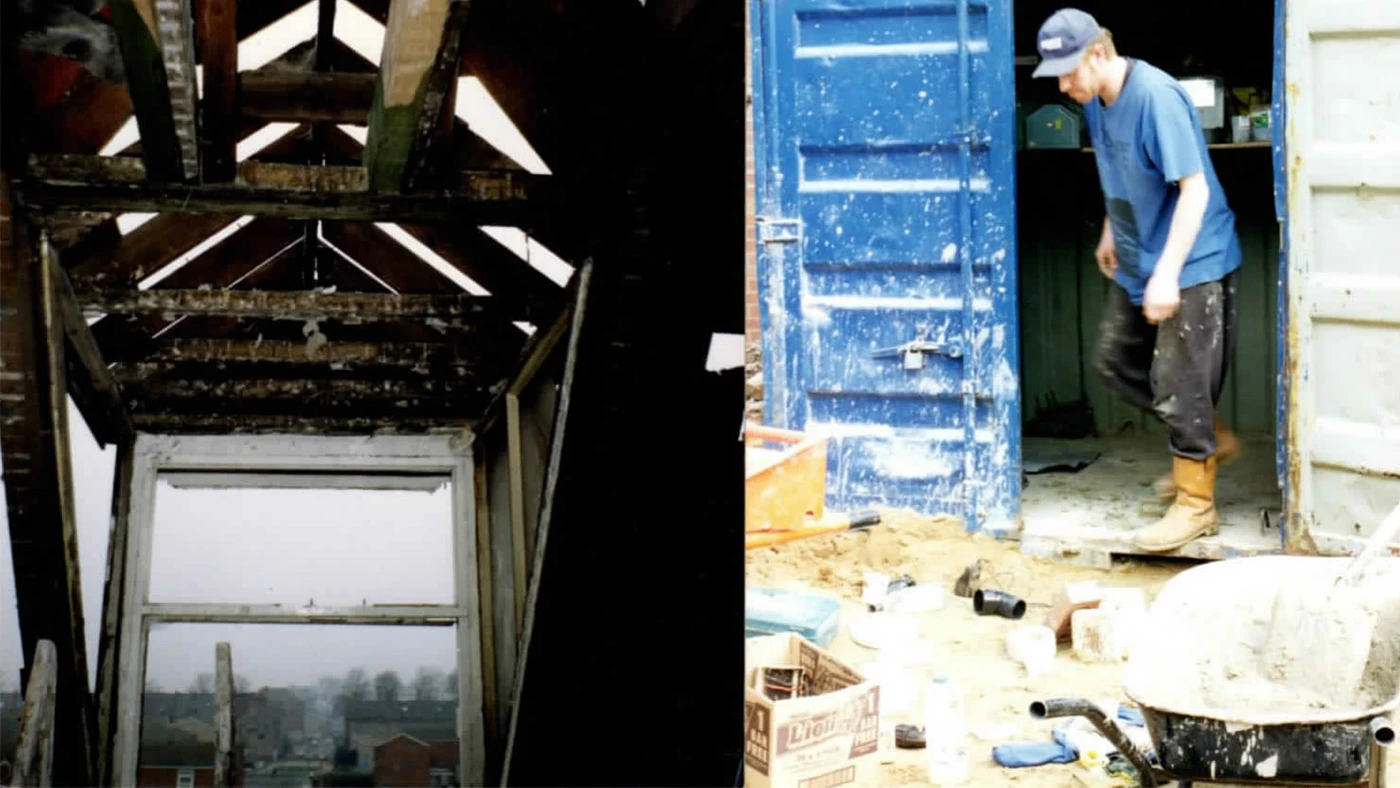
There was no master plan. The work was learned on the job, stripping houses, repairing walls, and figuring things out as they went. In the days before the YouTube video, there was the DIY manual.
It was slow, physical, and often improvised, but help came in the shape of old school trademen and a Buddhist electrician/plumber. Houses were bought cheaply because no one else wanted them. Renovation was basic at first; how times have changed.
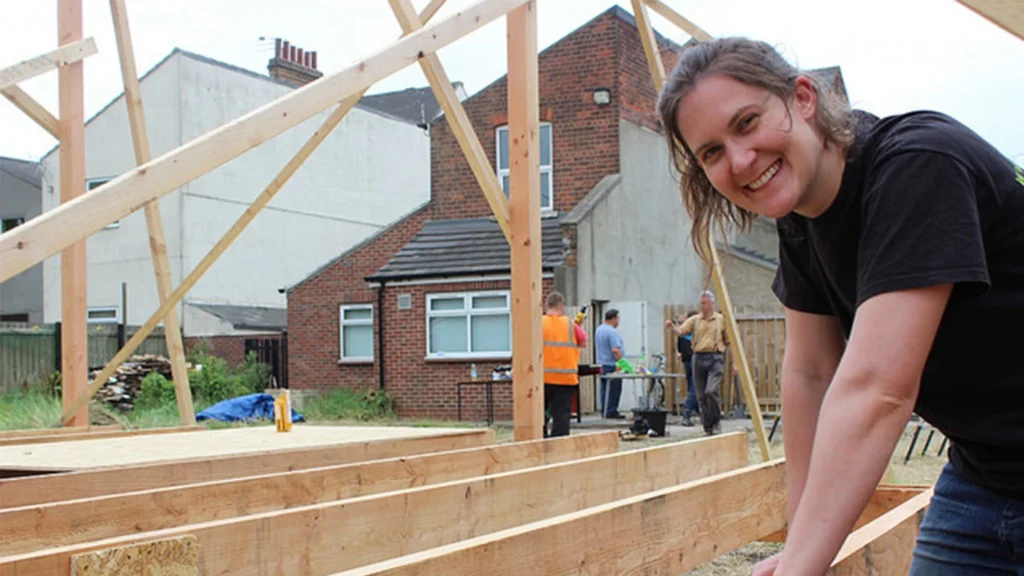
But it was enough to bring places back into use. And in doing so, something else was being built: skills, confidence, a sense that change didn’t have to come from outside. It could start where you were.
The new workers’ cooperative’s flat structure and consensus-based decision-making meant everyone was important.
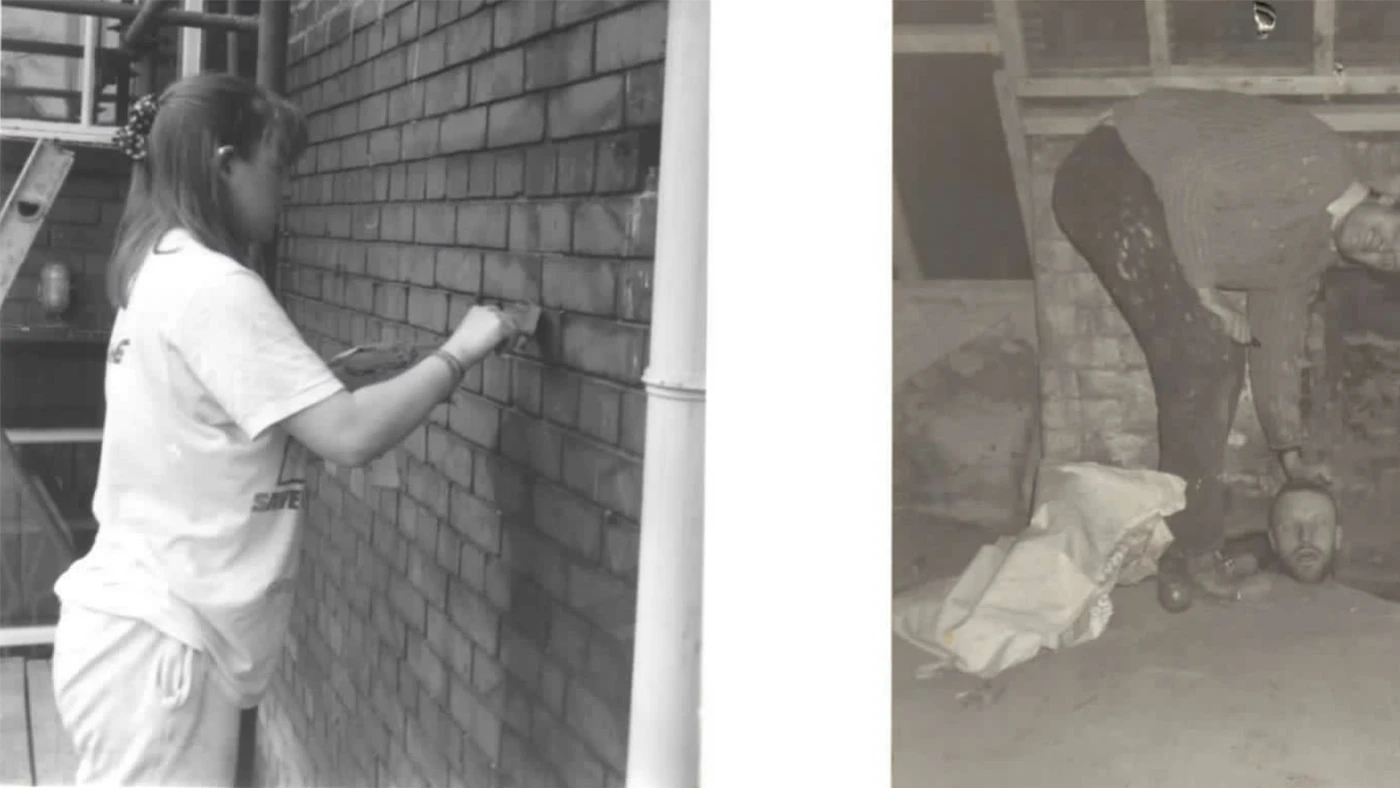
You would see the same people all the time. There weren't many cars. It was a settled community.
Robery Amesbury
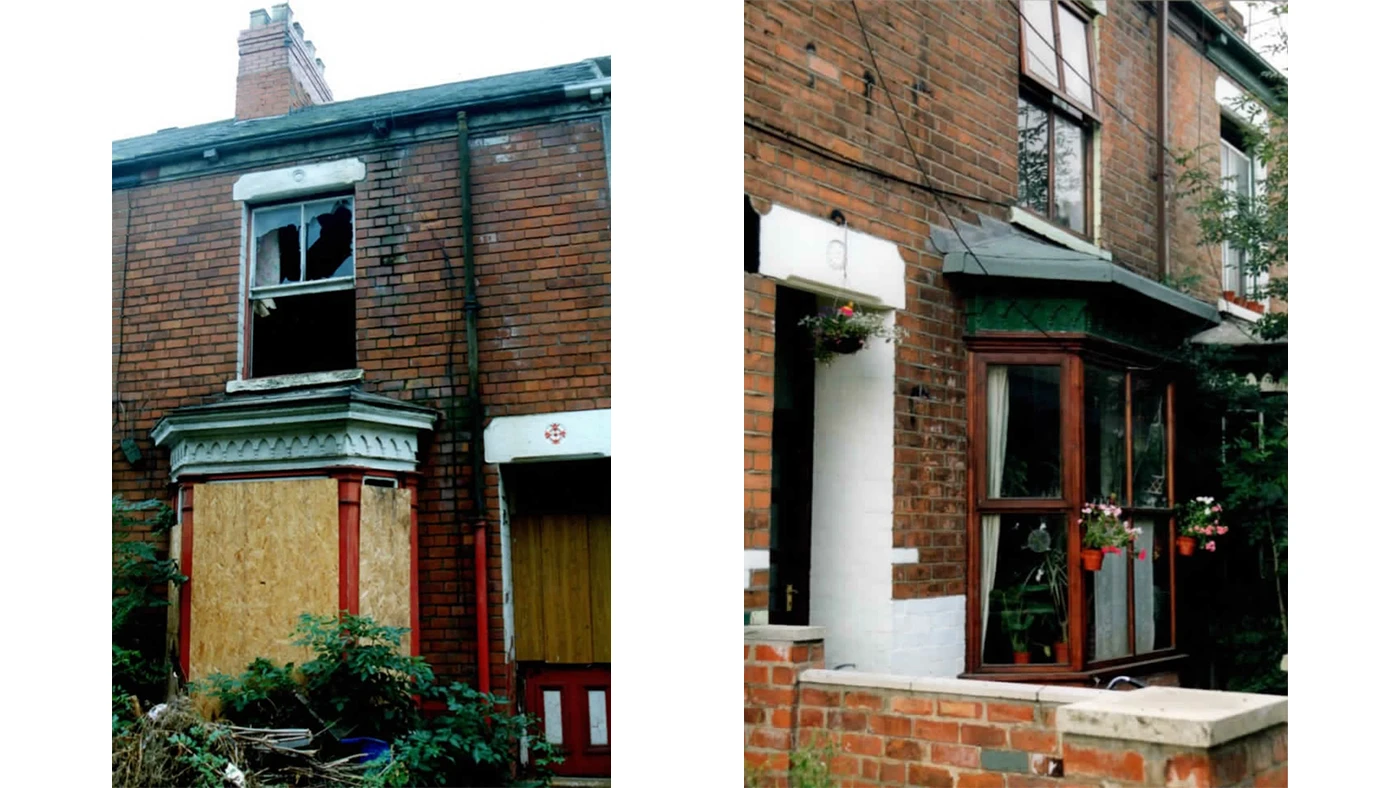
A community still holding on
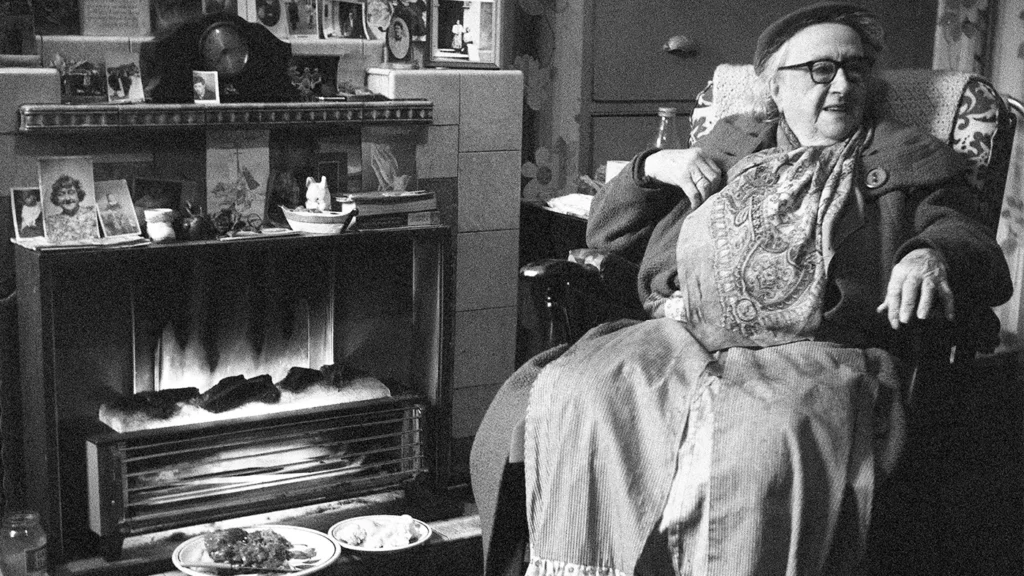
When they arrived in West Hull, what they found wasn’t an empty landscape. Wellsted Street was still a functioning community. They had neighbours who had lived in the same house for decades.
They recall the details, the smell of fish in the air, or cocoa drifting across the city. People sitting out on chairs in the sun, talking, watching the street. There was stability there, even as things began to shift.
The narrative of ‘slum clearance’ didn’t always match reality. Many of the houses were solid, lived-in homes. But the wider forces, loss of industry, housing policy, and planned demolition, were already reshaping the area. One terrace contained only one resident.
The moments in between
Alongside the work, there were lighter moments, a texture that communicates over the decades.
A near-empty local shop selling little more than basics, 20 Rothmans and a tin of beans. All-nighters to finish houses, hammering down carpet tacks and annoying the neighbours. A local woman buys couscous from the People’s Trading Company (PEEPS), the first commercial property development. She puts the whole packet in the pan, and there is so much couscous. Local trade counters were places to be picked on for being inexperienced or female in a male environment. Or they could become your long-term suppliers, with decades of transactions ahead.
Could it happen now?
Giroscope took off, picked up by Peter Hetherington in The Guardian in 1988 with a follow-up article in 2025.
What began on those streets became Giroscope, a successful housing and regeneration charity. Forty years later, still bringing unloved buildings back into use, for homes, for community and for enterprise.
Still helping people build the skills, confidence and connections to move on with their lives.
Looking back, it’s hard to separate the music, politics, place, and people. None of it was planned out neatly. Just a group of people, shaped by the politics of the early 1980s, inspired by ideas and by each other, deciding to act.
The question now isn’t just what happened then, but whether it could happen again. That’s something still being explored.
Book onto our Giroscope 40 Lunch+ Origins Story Trilogy (Part 1) to be a part of that conversation.
This is part of an ongoing series exploring Giroscope then, now and into the future – check out the other events in the series, all of which explore ‘radical ideas’ and ‘real connections’.
Maybe, if you listen closely, you can still hear that beat.